
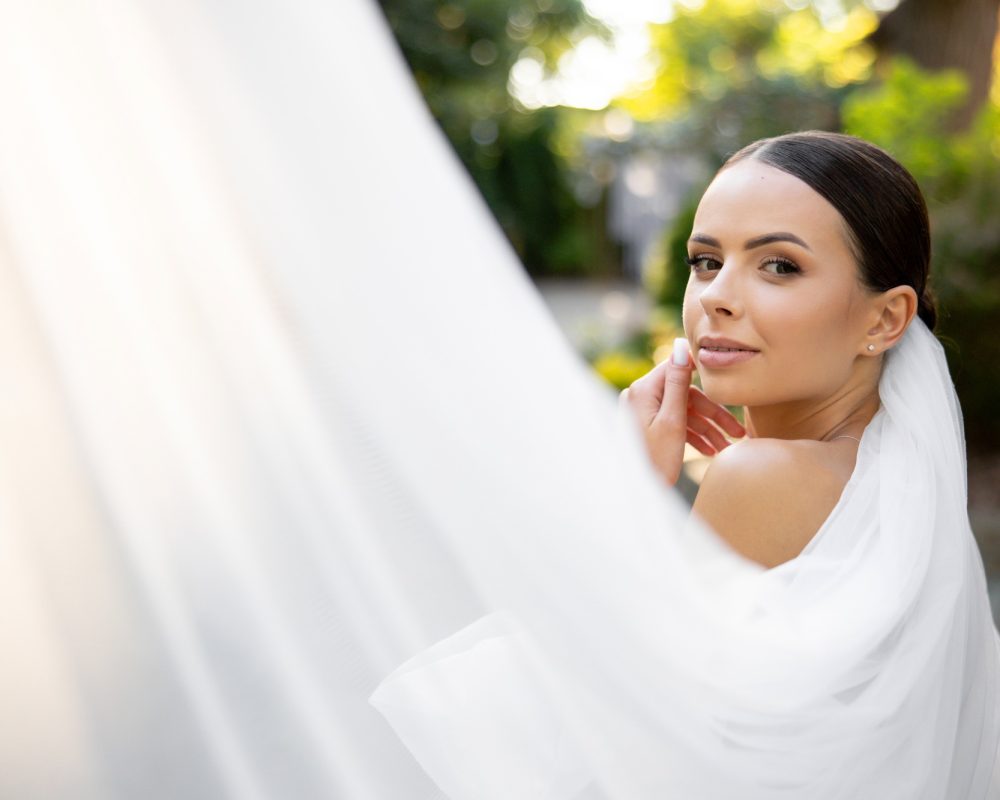
Wedding style decisions shape every part of the day. Your invitations set expectations. Your ceremony design sets emotion. Your reception layout sets energy. When you choose a clear style direction early, planning feels simpler. Your photos look more consistent. Your décor budget works harder because each detail supports the same look.
Most couples start with one question: classic or modern. The answer rarely sits at one extreme. Many weddings blend both, with a classic foundation and modern accents, or a modern base with timeless touches. The goal is not rules. The goal is a wedding that looks like you, feels like you, and photographs like you.
This guide breaks down classic and modern wedding styles in a practical way. You will learn the signature elements of each, how to choose a direction based on your priorities, and bridal hair ideas for short hair and long hair that fit each look.
What defines a classic wedding style
Classic wedding style leans timeless. It favors tradition, symmetry, and soft romance. It often uses familiar wedding icons like formal florals, white or ivory palettes, and elegant table settings. Classic does not mean dated. Classic means the photos will still feel current years from now.
Classic weddings often include:
Formal ceremony moments like a processional with clear structure, family seating, and polished décor. Florals tend to feel lush and rounded. Colors often stay neutral, with subtle accents like blush, champagne, or greenery. Typography stays elegant and readable. Lighting stays warm and flattering.
If you want inspiration that maps the core look, review classic wedding ideas with timeless styling cues. Use it as a reference point when you pick your palette, florals, and table details.
What defines a modern wedding style
Modern wedding style leans clean, bold, and intentional. It favors strong lines, negative space, and design choices that feel current. Modern does not mean cold. Modern means edited. Each element earns its place.
Modern weddings often include:
Minimal ceremony design with a strong focal feature, such as an arch with sculptural florals or an installation behind the couple. Colors may skew monochrome, high contrast, or deeply saturated. Typography trends contemporary. Tablescapes favor fewer items with higher impact. Lighting shifts toward dramatic glow, spotlight moments, and layered ambience.
For modern inspiration, see modern wedding ideas built around clean design and fresh details. Pay attention to the use of space, shapes, and color restraint.
Classic vs. modern: the biggest differences that affect planning
Color palette
Classic palettes stay soft and cohesive. Ivory, white, champagne, blush, sage, and dusty blue show up often. Modern palettes lean bolder or more graphic. Black and white, all white with texture, rich jewel tones, terracotta with cream, or deep green with gold accents often appear in modern styling.
If you struggle to choose, start with your venue’s existing look. A space with elegant architecture pairs naturally with classic details. A space with clean lines and open sightlines pairs naturally with modern design. Either style still works in either venue, yet the room’s base look influences how much décor you need.
Florals
Classic florals feel full and romantic. Think roses, hydrangeas, peonies, ranunculus, and greenery arranged in rounded shapes. Modern florals favor movement and asymmetry. You see fewer blooms, more intentional shapes, and design choices like orchids, anthuriums, calla lilies, or sculptural branches.
Classic florals fill space. Modern florals frame space.
Tablescape and décor
Classic tables feel layered. Chargers, napkins, floral centerpieces, candles, and textured linens create a rich look. Modern tables often feel edited. The linens stay clean. The centerpieces stay sculptural. Name cards and menus use bold typography. Candles often appear in grouped clusters for a gallery feel.
Both styles benefit from one strong focal element. Classic might focus on a lush head table. Modern might focus on a statement bar moment or a graphic seating display.
Fashion and beauty
Classic bridal fashion often leans traditional. Structured gowns, timeless silhouettes, lace, and refined accessories show up often. Modern bridal fashion leans sleek. Clean satin, architectural draping, square necklines, or minimalist veils show up often.
Hair and makeup follow the same logic. Classic favors soft polish. Modern favors sharp intention, either sleek or intentionally undone, with a stronger silhouette.
How to choose your style based on what you value most
If you want timeless photos
Classic styling tends to age well because it avoids trend heavy details. That said, modern weddings also age well when the design stays clean and avoids novelty items. The deciding factor is restraint. When you choose fewer details and execute them well, your photos hold up.
If you want a high fashion look
Modern styling often supports a fashion forward feel. Sleek gowns, bold lighting, strong typography, and sculptural florals create an editorial look. Classic still supports high fashion when you lean into structure, luxe fabrics, and formal silhouettes.
If you want a warm guest experience
Classic style often reads welcoming because it leans romantic and familiar. Modern style also feels welcoming when you focus on comfort, lighting, and flow. Guest experience comes from layout, seating comfort, food pacing, and sound control more than décor style.
If you want a simple planning process
Modern weddings often feel simpler because the look relies on negative space and fewer items. Classic weddings sometimes require more décor volume to reach the lush look. This does not mean modern costs less. Modern often invests in fewer items with higher quality finishes.
How a ballroom setting supports classic and modern wedding styles
A ballroom gives you a controlled environment for lighting, temperature, and flow. That control supports both style directions. Classic style benefits from warm lighting and formal table spacing. Modern style benefits from open sightlines and strong focal installations.
If you want to picture how a ballroom layout supports both looks, review Heroes Ballroom event space features for wedding layouts and reception flow. Think about where you want your focal moments, such as ceremony backdrop, head table, dance floor, and photo area.
Food also shapes style. A classic wedding often pairs well with plated pacing and formal courses. A modern wedding often pairs well with stations, refined small plates, or a sleek dinner presentation. For menu direction, explore wedding menu options that match different reception styles. Use the structure of the meal to support the energy you want in the room.
Classic wedding hair ideas for short hair
Short hair fits classic style when the finish looks polished and intentional. The goal is clean shape and soft shine. Classic styling also benefits from accessories that feel timeless rather than trendy.
Old Hollywood waves for a formal classic look
This style works well for bobs and shoulder length cuts. The wave pattern photographs beautifully and pairs well with pearl accessories, a classic veil, or a satin gown. Ask for a deep side part if you want a more dramatic frame.
Sleek side part with tucked ends
This works for chin length cuts and longer bobs. The tuck creates a refined profile and keeps the hairline clean for photos. It pairs well with classic drop earrings and a structured neckline.
Soft pinned back detail with volume at the crown
This fits shorter cuts when you want a traditional bridal feel without forcing an updo. A subtle lift at the crown creates elegance. Pinned sides keep the face open for ceremony photos.
Classic wedding hair ideas for long hair
Long hair fits classic style when the silhouette looks refined. Classic long hair tends to stay controlled, with soft movement rather than messy texture.
Low chignon with a clean center part
This is a classic for a reason. It feels timeless, stays secure, and supports veils and hairpieces. It also keeps focus on your face during vows and speeches.
Soft half up style with curls
This style keeps hair off the face while still feeling romantic. It pairs well with lace details, floral hair pins, and classic bouquet shapes.
Polished blowout with soft waves
This gives a glamorous classic look without a full updo. It photographs beautifully in warm lighting and works well with statement earrings and a simple necklace.
Modern wedding hair ideas for short hair
Short hair fits modern style when the shape feels graphic or sleek. Modern looks often rely on strong lines, wet look texture, or minimalist accessories.
Sleek tucked bob with a center part
This creates a clean silhouette and feels current. Pair it with minimalist earrings and a structured gown. The look reads modern in photos because it stays simple and confident.
Textured pixie with defined piece work
This style looks modern when the texture feels intentional rather than undone. A small amount of shine product adds editorial polish. Keep accessories minimal so the hair stays the focus.
Short hair with a bold accessory
A modern hair accessory works best when it feels architectural, such as a sleek barrette, a minimal comb, or a clean headband. Avoid clutter. One strong detail reads modern.
Modern wedding hair ideas for long hair
Long hair fits modern style when the shape stays intentional. Modern long hair often looks sleek, sculpted, or intentionally minimal.
High sleek ponytail with wrapped base
This style feels modern and powerful. It lifts the face, highlights cheekbones, and pairs well with square necklines or off shoulder silhouettes. It also works well for dancing because it stays secure.
Low slick bun with a clean finish
This gives an editorial look and pairs well with modern gowns. It also highlights makeup and jewelry. The bun shape should feel deliberate, not soft and messy.
Loose wave with a clean middle part
This is modern when the wave feels minimal and the finish stays glossy. Keep the hairline clean. Keep accessories simple. This look pairs well with modern florals and clean table design.
How to blend classic and modern without creating a mismatch
Many couples want both. The simplest way to blend is to pick one primary style and one accent style. Make the primary style the base for the big visuals, venue styling, table design, and florals. Use the accent style for smaller details, signage, stationery, or fashion.
Classic base with modern accents often looks like a timeless palette with a sleek seating display and clean typography. Modern base with classic accents often looks like a minimalist ceremony with a romantic bouquet and traditional candlelight.
Blending works best when you keep your palette tight and repeat materials. If you mix metals, stick to two finishes. If you mix fonts, stick to two families. If you mix floral styles, keep the bloom types consistent even when the arrangement shape changes.
Questions that help you choose the right direction
What do you want guests to feel when they enter the room
If you want romance and warmth, classic often fits. If you want bold energy and a sleek vibe, modern often fits. Either style still reaches either goal when lighting and layout support the mood.
What do you want your photos to look like
If you want timeless portrait energy, classic styling supports it. If you want editorial fashion energy, modern styling supports it. Photography style matters too, so align your visual goal with your photographer’s approach.
What details matter most to you
If you care most about florals and tablescapes, classic often gives more space for layered design. If you care most about architecture, lighting, and a clean look, modern often gives more room for the venue to shine.
Classic vs. modern wedding styles, the simplest answer
The right wedding style matches your personality and your priorities. Classic style fits couples who want timeless romance, familiar elegance, and polished tradition. Modern style fits couples who want clean design, strong silhouettes, and intentional minimalism. Many couples land in the middle, with a clear base style and a few accents that add personality.
Start with your venue, your fashion, and your photo goal. Then build the details around that foundation. When the foundation stays consistent, every choice feels easier.