
Choosing vendors is not about assembling a random roster of creatives and hoping the chemistry works. It is about building a small, well coordinated team that understands your goals, understands your venue, and can execute under real world constraints like room dimensions, power availability, guest flow, and a firm timeline. At Heroes Ballroom, that team becomes the living extension of your plan. The florist shapes the first impression in the pre function area. The band or DJ controls the emotional arc on the dance floor. The photographer translates what happened into the images you will keep long after the last song. The coordinator, if you have one, threads these pieces together so your evening feels effortless rather than improvised. Vendor selection is where that experience begins.
The venue gives you a head start. Heroes Ballroom publishes a curated list of professionals who already know the rooms, the load in doors, the audio zones, and the pacing that works in the space. You can browse that roster here on our recommended vendors. Using a house familiar team is not a requirement, but it is a practical shortcut. A vendor who already understands where to park a photo booth, how to light the sweetheart table without washing out faces, and when to coordinate with the kitchen for toasts will save you time and make better art.
What the right team looks like inside this room
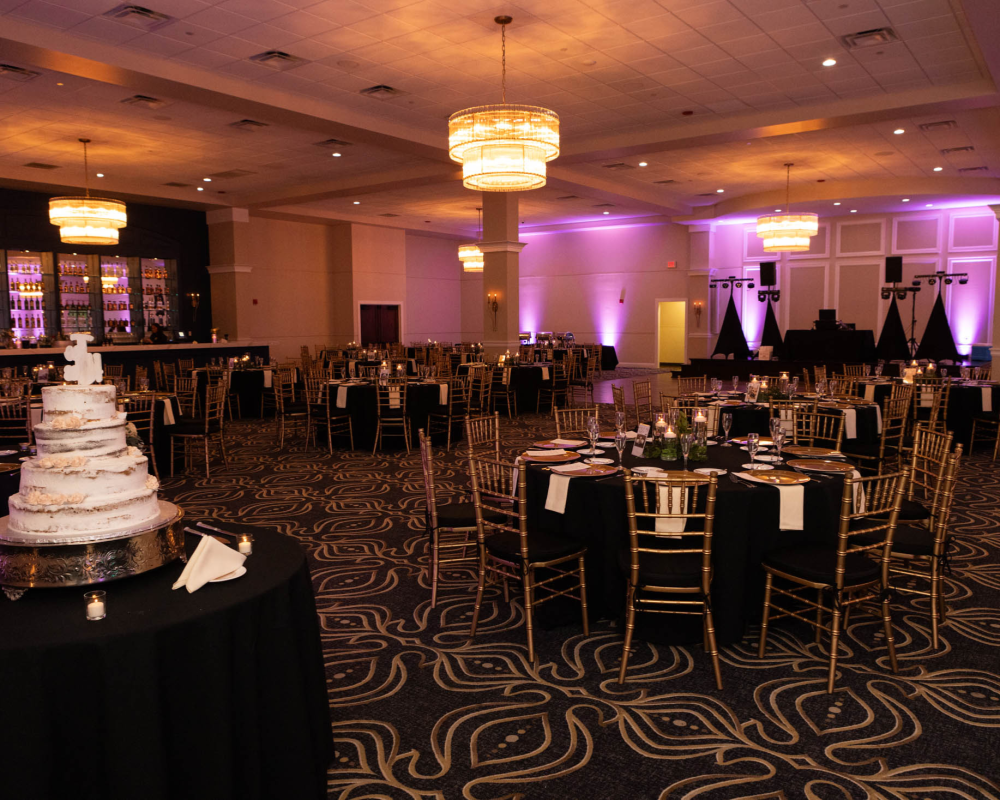
The ballroom’s scale favors vendors who appreciate proportion. Tall ceilings and warm mahogany call for floral pieces with shape and texture rather than a sheer wall of blooms. Candlelight reads beautifully across the white marble bar and the gold chandelier glow, which means a designer with an eye for glass, metal, and height will give you impact without clutter. Bands need clean power and a plan for sound coverage that fills the room without turning conversation into a shout. DJs do best when they build a mix that carries through dinner in a warm, steady way, then tightens transitions once the floor opens. A photographer who can meter for warm interiors will protect skin tones and keep the gold ambient light looking elegant rather than orange.
This is not about taste policing. It is about fit. Heroes Ballroom is generous and classic, which rewards vendors who prefer thoughtful restraint over spectacle for spectacle’s sake. Ask to see work from spaces with similar materials and ceiling height. Look for a portfolio that shows comfort with warm white lighting. Notice whether the images feel calm and clear, or blown out and noisy. The right vendor for this room will already be thinking about how to use the stage, where to place uplights so they do not fight the chandeliers, and how to keep aisles open so servers and guests can move without crossing lenses.
How to evaluate vendors without turning it into a second job
There is a flood of advice about vetting event professionals. A concise framework from the events world is to start with role clarity, mutual expectations, and the practical handoffs that keep a day moving. A widely cited guide to event vendors from Social Tables explains that success depends on aligning scope, timeline, and communication before anyone sets foot on site. That begins with a written outline of what each vendor will deliver, when they will arrive, how they will interface with the others, and who decides what when time pressure arrives. It sounds obvious until the first schedule shift hits. Then it becomes the difference between grace and scramble.
Another useful perspective comes from the business side. Entrepreneur magazine has long argued that supplier relationships are leverage points that can either amplify or undermine your goals. Their piece on why vendors can make or break an event puts it plainly. Skill matters, but so does reliability under stress and a clear shared standard for quality. If an entertainment vendor vanishes after deposit, if a decor company over promises inventory it cannot deliver, or if a photo team brings a lighting plan that ignores the room’s tone, you have inherited a problem that even a beautiful venue cannot erase. The right team is talented, available, and honest about limits.
Signs a vendor will work well at Heroes Ballroom
Familiarity with the property is an advantage, but it is not the only sign. You are looking for professionals who ask intelligent questions about the space. A florist might ask about aisle width, candle policies, and delivery timing relative to room resets. A DJ might ask for a power map, clarify ceiling heights for effects, and coordinate with the maître d’ on the exact minute of the grand entrance. A photo team might ask for a brief walkthrough of both the pre function area and the dance floor to identify where to place light stands without interfering with service. These questions communicate respect for the room and for the staff who will partner with them.
References remain helpful when they are specific. Ask how a vendor handled a small crisis, like a late limo or a weather pivot that forced a ceremony change. You are not hunting for gossip. You are listening for calm problem solving, clear communication, and a collaborative posture. Vendors who solve problems without drama are vendors who will protect your evening when the small, inevitable surprises arrive.
Balancing vision and budget without losing the look
Every category has a range. Floral design can be lush and architectural, or it can be simple and textural with clever uses of height and candlelight. Entertainment can be a full band, a strong DJ with live elements, or a curated playlist with a host who reads the room. Photography can include an engagement session, additional shooters, and an album, or it can be a focused day of coverage with a clean online gallery. A good vendor helps you navigate that range. They will show you where money is visible, and where it is not. They will tell you when a substitute looks great and when it will look thin in this room.
In a venue like Heroes Ballroom, the architecture already gives you richness. That is a budget gift. You do not need to rebuild what the room already provides. Centerpieces can be lower and layered so conversation flows. Uplights can be warm and restrained so the chandeliers lead. A simple stage design can look polished because the wood and gold surrounding it already feel finished. Ask your vendors how they would leverage the room so you spend on what guests will notice and remember.
The load in and the timeline
The most beautiful plan can fall apart if the back of house does not make sense. Vendors who know the property will stage equipment where it will not block service corridors. They will place cases in a neat footprint, coil cables cleanly, and leave room for staff to pass. They will check with the maître d’ before rolling anything large through the pre function area during a key moment. They will stage a silent test of microphones and music levels before guests arrive rather than during a welcome. You will feel this level of consideration as calm. Nothing interrupts the story.
Timelines are where the team proves it is a team. A photo schedule that does not fight the kitchen. A toast plan that gives servers a minute to set champagne without bumping music. A reveal of a dessert table that happens when lights can be gently shifted so it reads as an intentional moment. When vendors have worked in the room, these transitions look as if they were rehearsed. When they have not, the ballroom staff will help them stay in sync, but you will still benefit from vendors who respond quickly when cues change.
Contracts, clarity, and the small print that protects you
Vendor agreements should be readable. Scope, deliverables, arrival and departure windows, insurance requirements, and payment timing need to be spelled out. The cancellation and force majeure clauses should be clear in plain language. If a contract is vague, ask for specifics. A professional will welcome clarity. When you map those documents against your day, you will find small seams where confusion tends to hide. Fix those seams with a sentence or a bullet point in the agreement. Good fences make good neighbors, and good contracts make great vendor relationships.
At Heroes Ballroom, the operations team can confirm insurance minimums and share any specific requirements about open flame, ceiling policies, or staging. If a vendor needs a certificate holder listed, the office will supply the legal name and address. This is routine, but it is important. Paperwork prevents rush hour emails in the final week.
The right way to use social proof
You will see countless reviews and galleries when you research vendors. Use them with purpose. Look for consistency over time rather than a single viral moment. Notice how a vendor handles comments. A gracious reply to feedback is a sign of maturity. In galleries, do not be seduced by exotic venues that look nothing like your space. Focus on weddings, galas, and parties in warm interior rooms. That is the closest analog to your night. A vendor who can make a cozy, elegant ballroom look luminous is a vendor who will thrive at Heroes.
If you want to see how a vendor looks in your exact rooms, ask whether they have documented an event at Heroes Ballroom before. If so, request that gallery. You will get a realistic sense of how your photos might render and how decor scales. If not, do not worry. A designer with the right instincts can walk the room and immediately suggest a plan that fits.
Working with family and friend vendors
Many couples and hosts bring in a photographer cousin, a talented friend who DJs, or an aunt who excels at flowers. Personal connections can be wonderful. The key is to set the same professional guardrails. Agree on scope and responsibility. Confirm arrival times. Make sure they understand the room’s limits on open flame or confetti. Ensure they have a point of contact on the venue team in case something needs quick approval. Treating loved ones as professionals in the planning stages protects relationships and helps them deliver their best work for you.
If a friend will provide a portion of the service, like playlist curation with a professional host to run the night, be honest about where you want to save and where you cannot afford risk. Entrances, microphones, and first dance cues deserve a steady hand. You can add personal flavor through song choices while still relying on a pro to keep the schedule on rails.
The difference a coordinator makes
Many private events and some weddings proceed without a planner. It can work. A venue with a strong operations team can help you line up vendors, and the maître d’ will run service. A coordinator, however, earns their keep by absorbing small frictions. They keep the photo list moving. They field the one off guest request without pulling you out of a conversation. They adjust the timeline when a speech runs long. They are the person who whispers that it is time to line up, or that a boutonniere needs a quick pin. If your budget allows, hiring a day of coordinator is an investment in calm.
When you meet coordinators, notice how they talk about venues. Do they ask about the pre function area. Do they reference a preferred path for grand entrances. Do they know how to stage a room reveal. This is not trivia. It is evidence that they know how to translate a plan into this specific place.
Why a curated list helps and how to use it
The recommended roster on our vendors page is short by design. It represents partners who have delivered consistently inside this building. Use it as a starting point. You can hire beyond it. You can mix and match. The value of the list is that it removes guesswork. You will not need to explain the carport to a delivery driver, or where to place a cake so it photographs well under the ambient light, or which location gives the most flattering first look indoors if weather turns. That knowledge is already in the room.
If you have a vendor in mind who is not on the list, great. Share their information with the venue so the team can introduce themselves and cover any site specific notes. A quick call or email before the walkthrough will save time later.
Communication that keeps the plan intact
Once you sign your vendors, set a simple cadence. A touch point at booking. A confirmation one month out. A final run of show during the week of. Include contact info for each vendor and for your venue lead. The document can be one page. The value is speed during the event. If a truck needs to be moved or a song needs to be queued or a light needs to be dimmed, the person with the solution is one text away.
You will feel the payoff on the day. People show up on time. No one waits for a missing cable. The bar knows when speeches begin. The kitchen knows when the dance floor opens. The photographer knows when to expect the dessert reveal. Guests experience a seamless evening. You experience an event that looks exactly like the one you planned.
Bringing it all together
An event lives in the details and the people who manage them. The vendors you choose become the voice, the color, the rhythm, and the memory of your celebration. Pick partners who respect your vision and your venue. Give them a clear plan. Invite them to bring their best ideas and their proven habits. Then let the room and the team do what they do best.
If you are ready to start shortlisting names or want to see who already understands this space, begin with our recommended vendors. If you would like to talk through fit or confirm availability, reach out through the contact page so the staff can help you align dates and build a team that will feel like a perfect match for your night. You can start that conversation here on Contact Us.