
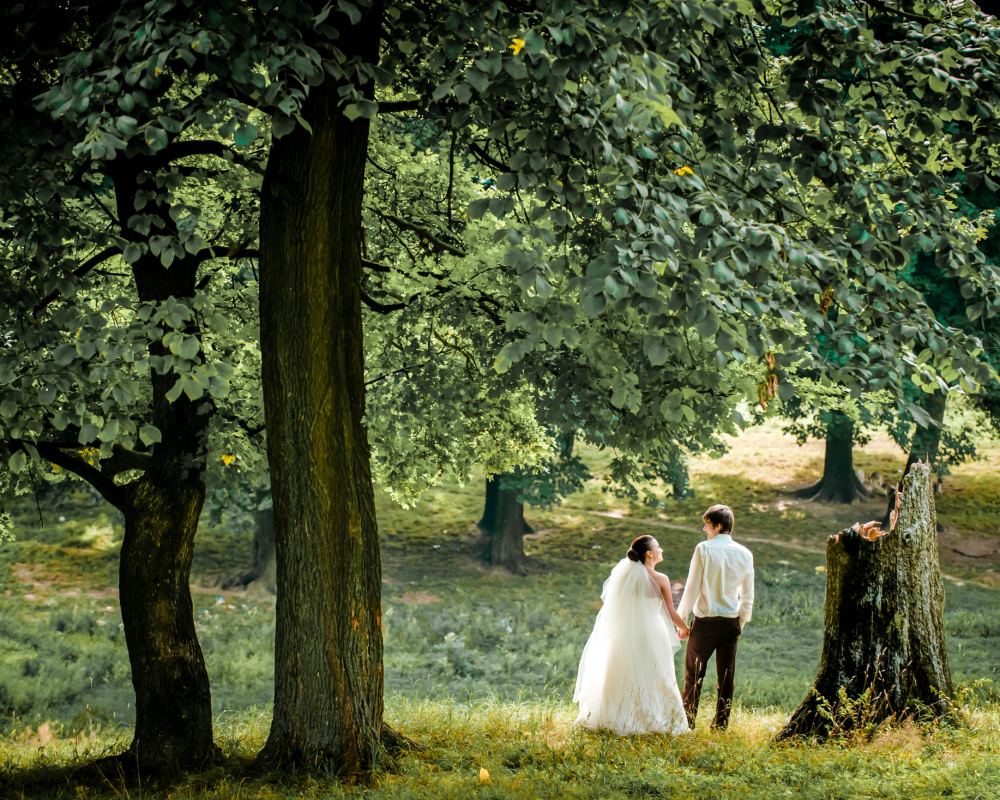
Spring wedding dates move quickly for more than one reason. Demand stacks up. Couples want mild weather, longer days, and a fresh seasonal look in photos. Guest travel also feels easier in spring than in peak summer weeks.
When spring dates start filling, decisions feel urgent. The right approach keeps you calm. You choose priorities first, then book the pieces that protect your date, your budget, and your guest experience.
This guide covers what to do when spring weddings are booking fast, including a realistic vendor timeline, the best flowers for a late spring wedding bouquet, and practical ideas for spring wedding guest attire.
Why spring dates disappear early
Spring attracts couples who want comfortable temperatures and outdoor photo options without summer heat. It also attracts guests. Travel feels lighter. Calendars feel less crowded than fall weekends packed with weddings.
Venues also face tight inventory in spring. Saturday evenings become scarce first. Friday and Sunday dates follow. Once you lose your top venue options, you lose your top vendor options, since many vendors align their calendars around venue bookings.
If you want a clear view of reception layout features that matter for spring flow, review Heroes Ballroom wedding venue details and reception space features. Focus on room capacity, dance floor space, and guest movement paths, since these factors shape your vendor plan and décor plan.
What you should lock in first when spring weddings are booking fast
Start with decisions that unlock everything else. Date. Venue. Guest count range. Then move into the vendor categories that book fastest in your market.
Many couples start with colors and décor. Those choices matter, yet they do not protect inventory. Your venue protects inventory. Your date selection protects inventory. Your guest count range protects layout decisions and food pacing.
Use a realistic booking timeline instead of guesswork. A vendor timeline guide such as a timeline for booking your wedding vendors helps you think in stages so you do not chase details out of order.
Venue timing also needs a real plan. For a straightforward look at how early couples typically book venues, use a venue booking timeline that explains when to secure your date. Treat it as a benchmark, then adjust for your season, your guest count, and local demand.
Spring vendor timing that keeps you ahead
Once the venue and date are set, move quickly on the vendors tied to your photo quality and your event pacing. Photographer and entertainment often book early. Hair and makeup teams often fill quickly for spring Saturdays. Floral teams also need lead time, especially for late spring blooms that depend on supply and weather.
Work in a simple sequence. Confirm the vendors that require your date first. Then move into details that rely on the venue’s menu structure, room layout, and timing rules.
Food decisions sit in the middle of that sequence because they affect your timeline and guest experience. Cocktail hour pacing, dinner service style, and dessert placement all affect when you schedule speeches and dances. For a quick view of menu structure options that shape pacing, review wedding menu options and package structure for receptions.
How to protect guest experience during spring wedding season
Spring weddings look effortless when you plan for real conditions. Rain happens. Wind happens. Temperature swings happen. Guests bring layers and umbrellas. They still want a smooth arrival, clear seating, and a meal rhythm that feels steady.
Plan three comfort points early. Arrival flow, restroom access, and seating space. Then plan two energy points. Bar access and dance floor flow. When those five points work, the day feels polished even if the weather shifts.
Spring also brings an earlier start for outdoor photos. Build buffer time for travel between photo locations and the venue, plus time for touch ups after wind and humidity.
Best flowers for a late spring wedding bouquet
Late spring bouquets thrive when you balance romance with durability. Some blooms look stunning yet bruise easily. Other blooms hold up in travel and warmer afternoons. The best late spring bouquets combine focal blooms, supporting blooms, and structured greenery for shape.
Peonies for late spring romance
Peonies remain a late spring favorite for a reason. They photograph beautifully and feel luxurious. They also carry a higher price point and a shorter seasonal window. If you love peonies, use them as focal blooms, then build the rest of the bouquet with supportive flowers that match the softness.
Garden roses for a classic, full look
Garden roses give you volume and texture. They also give you more color flexibility than peonies. Many couples use garden roses to keep a romantic look even if peony supply shifts.
Ranunculus for layered petals and strong structure
Ranunculus offers a refined, layered look and tends to hold shape well. It pairs well with both classic and modern bouquet styles. It also blends easily into soft palettes and bolder accent palettes.
Sweet peas for movement and fragrance
Sweet peas add a delicate, airy feel. They bring gentle movement in photos. They also bruise more easily than sturdier blooms, so they work best as an accent rather than the full base.
Lilac for a seasonal statement
Lilac reads unmistakably spring. It adds texture and fragrance. It also depends on short seasonal availability. When lilac matters to you, place it in focal areas and confirm supply early.
Hydrangea for volume and budget control
Hydrangea fills space quickly. It supports fuller bouquet shapes and larger bridal party bouquets. It also needs hydration support, especially on warmer days, so your florist’s handling plan matters.
A strong late spring bouquet often uses two focal blooms plus one airy accent plus structured greenery. This balance keeps the bouquet photo ready and less fragile during travel and portraits.
Ideas for spring wedding guest attire
Spring guest attire works best when you plan for temperature swings and possible rain. Guests want style, yet they also want comfort for ceremony seating, walking paths, and dancing.
Color ideas that fit spring without looking themed
Soft neutrals, dusty pastels, and jewel tone accents all work in spring. Guests often choose sage, sky blue, muted lavender, blush, or champagne. Navy and emerald also work well for evening receptions, especially when paired with lighter accessories.
Fabric choices that look polished and feel comfortable
For daytime ceremonies and early evening receptions, lighter fabrics tend to feel best. Breathable suiting, lighter weight dresses, and layered pieces support comfort when the sun appears and disappears.
Guests often do well with a light jacket, a shawl, or a structured blazer. These layers solve the common spring issue: warm sun during photos, cool air during dinner.
Footwear that handles spring weather
Spring surfaces vary. Wet sidewalks, soft grass, and uneven pavement show up often. Guests tend to feel more confident in block heels, wedges, or dressy flats. If the event includes outdoor portraits or walking between spaces, stable shoes help guests stay comfortable and relaxed.
Dress code cues you can share without overexplaining
When guests ask what to wear, simple guidance works best. Cocktail attire fits most spring weddings. Semi formal works well for daytime. Formal works well for evening ballroom receptions. Guests feel less stressed when they know the vibe, the start time, and whether any part of the day takes place outdoors.
Spring bookings move fast, yet strong planning keeps you steady
Spring weddings book fast because the season checks many boxes. Comfortable weather, longer days, and a fresh look in photos. The way you respond matters more than the pace of the market.
Protect the big decisions first. Lock the venue and date. Confirm your guest count range. Use a realistic timeline for vendors. Then refine details like late spring bouquet flowers and guest attire guidance with comfort in mind.
When you plan in the right order, spring wedding season stops feeling like a race and starts feeling like progress.