
Most couples have no real reference point for guest count. A number on a spreadsheet does not show how the room feels. One hundred and eighty guests sounds big until you stand inside a ballroom built for more. Three hundred guests sounds overwhelming until the room is set correctly. Three hundred twenty-five guests sounds like a crowd, but in the right space, it becomes a full, lively, well-balanced reception.
That is why this question matters. What does 325 guests actually look like?
At Heroes Ballroom, the answer depends on layout, table plan, dance floor placement, guest flow, food service, and how the couple wants the night to feel. A large wedding is not only about fitting everyone into the room. It is about making sure guests can move, eat, talk, watch introductions, hear speeches, and fill the dance floor without the reception feeling tight.
For couples in Northeast Philadelphia and the Bucks area, this is especially useful. Local weddings often come with real guest lists. Parents, grandparents, cousins, family friends, coworkers, neighbors, and childhood friends all matter. The number grows because the community is close.
Why Guest Count Is Hard to Picture
Guest count is one of the first wedding decisions, but it is also one of the hardest to understand. Most couples know what a restaurant table for twelve feels like. They know what a backyard party for fifty feels like. They might know what a school banquet or union event looks like. But a wedding reception for 180, 250, 300, or 325 guests is different.
A wedding room has more moving parts than a regular dinner. It needs guest tables, a sweetheart table or head table, a dance floor, a stage or DJ area, bar access, service paths, photo spots, gift or card tables, cake or dessert placement, and room for introductions and formal dances.
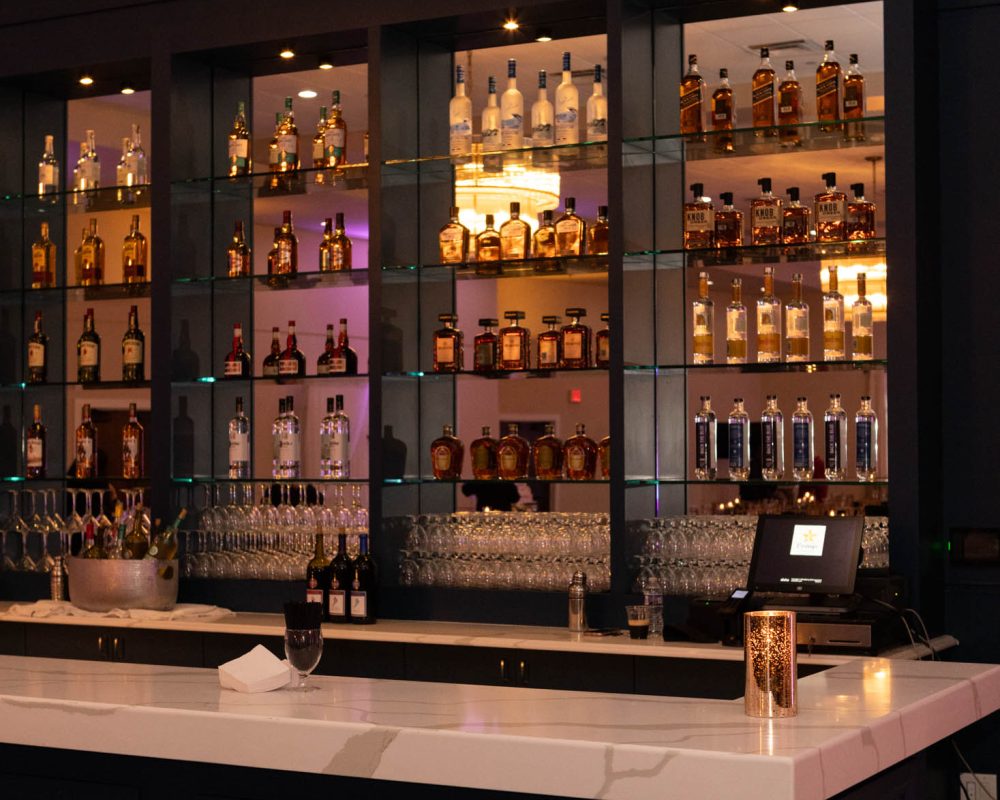
The Heroes Ballroom wedding venue in Northeast Philadelphia for receptions from 125 to 325 guests is designed for that range. That means the room is not being forced to handle a large wedding. It is meant to hold one.
What 180 Guests Feels Like
A wedding with 180 guests feels full, but not huge. It gives the couple room to breathe. The table plan has more flexibility. The dance floor can feel generous. The room has space for wider walkways, larger décor moments, and a more open feeling around the bar, stage, and reception entrance.
At 180 guests, couples often get the comfort of a large venue without the density of a packed room. This works well for couples who want the ballroom feeling without inviting every possible branch of the family tree.
The risk with a lower count is not the room itself. The risk is leaving too much visual space empty. That can be solved with smart table placement, a strong dance floor layout, floral height, lighting, and a clear center of energy. A room should not feel half-used. It should feel intentionally open.
What 225 to 250 Guests Feels Like
A guest count around 225 to 250 often feels like the middle ground for larger family weddings. The room has energy, but the layout still has flexibility. Tables begin to feel more connected. The dance floor becomes a clear focal point. The event feels like a true large reception without pressing against the upper limit.
This range works well for many Northeast Philadelphia and Bucks area couples because it fits the way local families gather. It allows room for extended family, friends, and work relationships without the wedding feeling too spread out.
At this count, the table plan becomes more important. Couples need to think carefully about family groupings, older guests, children, friends, and guests who should sit near the dance floor versus those who need a quieter table. The seating chart starts to shape the room’s personality.
What 300 Guests Feels Like
At 300 guests, the reception begins to feel grand. The room has movement everywhere. Tables are fuller. The dance floor needs to be placed with confidence. The bar, service paths, and entrances need to make sense.
A 300 guest wedding can feel incredible when planned well. Introductions feel bigger. Applause sounds stronger. The first dance feels surrounded. The dance floor can carry real energy once the party starts.
The key is flow. Guests should not feel trapped behind tables. Servers need clear movement. Older guests need comfortable access. The couple and wedding party need space for entrances and photos. The DJ or band needs a clear presence without taking over the room.
This is where couples should rely on the venue’s experience. A 300 guest reception is not the time to guess.
What 325 Guests Actually Looks Like
Three hundred twenty-five guests looks like a major celebration. It looks like a full ballroom, a real family gathering, and a reception with energy from the first entrance. It is the kind of room where every table matters and every layout decision has a purpose.
At 325 guests, the space should feel alive, not squeezed. The dance floor needs to stay visible and useful. The stage or entertainment area needs to support sound and attention. The bar and service areas need enough room for guests to move without clogging the center of the event.
The biggest difference between 250 and 325 is not only the number of tables. It is the way the room behaves. More guests means more movement, more conversations, more people near the bar, more guests watching the dances, more chairs pulled out, more service timing, and more energy when the music starts.
That is why couples need real venue photos, not imagination alone.
Why the Gallery Matters
A floor plan is useful, but photos help couples understand scale faster. Real wedding photos show what happens when the room is full of people, flowers, lighting, formalwear, food service, and movement.
The Heroes Ballroom gallery with real wedding, couple, bridal party, reception, and dance floor photos helps couples see the room in action. Look beyond the couple portraits. Study the dance photos, wide room shots, table setups, and guest images.
When reviewing photos, ask practical questions. Where is the dance floor? How close are the tables? Does the room still feel open? Can guests see the couple? Does the room look full in a good way? Are people moving comfortably?
Those images are often more helpful than a guest count chart.
Where the Dance Floor Ends Up
The dance floor should never feel like an afterthought. At a large reception, it becomes the center of the room’s energy. Guests need to see it. The couple needs to enter it easily. The photographer needs access. The DJ or band needs to connect with it.
For 180 guests, the dance floor can feel spacious and open. For 250 guests, it becomes the visual center. For 300 or 325 guests, it has to be protected in the layout. Tables should not crowd it so tightly that guests hesitate to stand up, and the couple should not feel boxed in during the first dance.
A strong dance floor also helps the room feel balanced. Even guests who do not dance watch what happens there. The first dance, parent dances, introductions, bouquet moments, and final songs all need that space.
How the Table Plan Changes
As guest count rises, the table plan becomes less forgiving. At 180 guests, couples have more space to separate family groups, create breathing room, and place older guests away from speakers. At 250 guests, every grouping matters more. At 325 guests, the seating chart needs real attention.
Large weddings need logical zones. Immediate family should be placed with care. Older guests should not be stuck in high-traffic areas. Friends who will dance should not be buried in the farthest corner. Children, if invited, should be seated where parents can manage them easily.
The table plan should also support service. Guests need room to sit, stand, and move. Staff needs room to serve. The couple needs a path through the room. A good layout makes a large wedding feel smooth instead of crowded.
What Happens When the Numbers Come in Low
Sometimes couples plan for 300 and end closer to 220. Sometimes they plan for 250 and end closer to 180. That is normal. Guest lists shift. Travel changes. Family circumstances change. Some invitees cannot attend.
When the number comes in low, the goal is not to apologize for the room. The goal is to reset the layout so the reception still feels complete. Fewer guests can mean more space for the dance floor, wider aisles, stronger table placement, or more breathing room around key areas.
A lower count can still feel beautiful in a large ballroom when the layout is adjusted. The mistake is leaving tables scattered too far apart with no center. The room should still have a clear focal point, strong lighting, and a sense of gathering.
Why 325 Guests Needs a Strong Cocktail Hour
Large weddings need a strong start. Cocktail hour is where guests find their first rhythm. They greet relatives, grab drinks, taste food, and begin moving through the event.
The Heroes Ballroom wedding menu with cocktail hour, reception stations, dinner, bar service, and dessert options matters for a large guest count because food flow helps the room feel organized. Stations, passed appetizers, bar access, and guest movement all shape how people experience the first hour.
At 325 guests, cocktail hour should feel generous and clear. Guests should not wonder where to go or whether they missed something. A well-run start helps the rest of the reception feel easier.
What Guests Notice at Different Counts
Guests do not think in numbers the way couples do. They think in comfort. Was it easy to find the room? Was there parking? Did the line move? Could they hear the speeches? Was the food good? Did the dance floor feel fun? Could they move between tables?
At 180 guests, guests may notice the room feels elegant and roomy. At 250, they may notice the energy feels balanced. At 325, they may notice the celebration feels big, lively, and full of family.
The goal is not to hide the guest count. The goal is to let the room match it. A large wedding should feel large in the best way.
How Big Weddings Photograph
Large weddings photograph differently. Wide shots matter more. Dance floor photos feel more dramatic. Guest reactions become part of the story. Introductions feel bigger. The couple looks surrounded by community.
For 325 guests, couples should ask the photographer to capture the scale of the event. Get the room before guests enter. Get the tables filled. Get the first dance with guests around the floor. Get a wide dance shot once the party is moving.
Those photos will matter later because they show what the day felt like. A large wedding is not only about the couple. It is about the people who showed up for them.
Why Testimonials Help Couples Picture the Experience
Photos show scale, but reviews show what people remember. Couples should look for comments about food, service, flow, cocktail hour, dance floor energy, and guest comfort.
The Heroes Ballroom testimonials from couples and families who celebrated in the space help future couples understand the guest experience from people who already held events there. That perspective matters when trying to picture a large room filled with real guests.
A venue can list capacity, but past guests help explain how the night felt. That is often what engaged couples need most.
Why Northeast Philadelphia Weddings Often Run Large
In Northeast Philadelphia and the Bucks area, wedding guest lists often reflect strong family and community ties. Couples may have large extended families, close neighborhood relationships, work friends, union connections, family friends, and people who have known them since childhood.
A 325 guest list may sound high in another setting, but for many local couples it makes sense. The wedding becomes a gathering of families, neighborhoods, and histories.
That is why the venue matters. A local wedding with a large guest count needs a room that can hold the people without losing the meaning of the day.
How Couples Should Think About Their Number
Couples should start with the honest guest list. Not the smallest possible list. Not the list that keeps everyone else happy. The honest list. Who truly needs to be invited? Who will likely attend? Which family expectations are real? Which guests are optional?
Once the number is clear, the room decision becomes easier. A couple with 180 guests should think about how to make the room feel warm and complete. A couple with 250 should think about balance. A couple with 325 should think about flow, table zones, and dance floor placement.
The number is not good or bad. It is information. The layout should respond to it.
Final Thoughts on 325 Guests
Three hundred twenty-five guests looks like a room full of people who made the effort to be there. It looks like family tables, crowded hugs, full-room applause, a dance floor with real weight behind it, and a reception that feels connected to the community around the couple.
The key is choosing a venue where that number makes sense. Heroes Ballroom gives Northeast Philadelphia and Bucks area couples a space built for larger receptions, with room for movement, food service, formal moments, and the kind of dance floor energy that large weddings need.
Guest count stops feeling abstract once couples see what the room does with it. That is the real value of understanding 180, 250, 300, and 325 before the seating chart begins.