
A great layout does more than fit tables into a room. It shapes guest comfort, service speed, dance floor energy, and how photos look all night. When layouts fail, the symptoms feel obvious. Guests crowd the bar. Servers squeeze through aisles. The dance floor feels disconnected. Speeches feel hard to hear because sightlines are blocked.
When layouts work, guests relax. They find seats easily. They move through the room without bumping chairs. The couple feels present because the flow does not need constant fixing. This matters even more for large celebrations where small bottlenecks scale into big problems.
This guide shares top layout ideas for weddings and large celebrations, digital tools you can use to plan a floor plan, and the wedding table layouts couples are already requesting for 2026.
Start with flow before you choose table shapes
Table layouts look pretty on a diagram, yet real guests move. They arrive in waves, line up for drinks, form conversation circles, and walk to restrooms in groups. Your job is to protect the main walk paths and prevent bottlenecks.
Before you pick table shapes, map five anchors. Entry, bar, food, dance floor, and restrooms. Then build seating around those anchors. If any anchor creates a choke point, adjust the room plan before you order décor.
Ballroom spaces often work well for large events because they offer clear sightlines and flexible layouts. If you want to picture a ballroom setup that supports dining plus dancing without squeezing tables, review Heroes Ballroom event space features for weddings and large receptions.
Layout idea 1: Classic rounds with a centered dance floor
This layout stays popular because it works. Round tables support conversation. A centered dance floor creates a clear party zone. Guests see the dance floor and feel drawn to it, even if they start the night seated.
To keep this layout modern, make the dance floor feel intentional. Leave a clean perimeter. Place the DJ so speakers aim into the room, not at the head table. Place bars so lines do not spill into the dance floor edge.
Layout idea 2: Perimeter rounds with an open center lounge
This is a strong choice for large celebrations where you want a social feel. Place round tables around the perimeter and keep the center open for a lounge style setup or a large mingling zone. Guests stand, talk, and take photos without blocking service aisles.
This works especially well when you want dancing later. The open center can shift into a dance floor without a major furniture move, depending on venue rules and staffing support.
Layout idea 3: Long tables for a shared dining moment
Long tables feel communal and elevated. They also photograph beautifully. This layout fits couples who want a dinner-first experience, then a strong shift into dancing.
The key is spacing. Long tables require wider aisles because guests slide chairs back more often. Keep bar access away from the table ends so lines do not form at the corners. If you use a sweetheart table, place it with clear sightlines to the room, not tucked into a tight corner.
Layout idea 4: Mixed seating with a family style head table
This approach blends comfort and style. Use long tables for family and wedding party groups, then use rounds for mixed guest groups. Guests feel the energy of long tables while still getting the conversational comfort of rounds.
This layout also helps when you have a large guest count with multiple social circles. Friends can sit at rounds while family groups sit together at longer tables.
Layout idea 5: Cocktail style reception with stations and high tops
For large celebrations that lean social, cocktail style layouts reduce the “everyone sits at once” constraint. You create multiple food stations, add high tops and lounge seating, and keep clear paths through the room.
This layout works best when you provide enough seating for older guests. It also works best when you spread stations across different walls so lines stay short. If the celebration includes speeches, plan one focal area where guests can gather and hear clearly.
Top trending wedding table layouts for 2026
2026 wedding trends push layouts toward shape, movement, and guest experience. Table layouts are becoming part of the design statement, not just a seating solution. Two trend roundups capture this shift well, including how décor and room design evolve year to year. Review wedding decor trend insights that influence reception layouts and 2026 wedding trends shaping design, dining, and room flow for a broad view of what couples request.
Curved and serpentine tables
Curved tables and serpentine runs create a sculptural look. They also create natural pathways through the room. Couples like the way these shapes feel custom and editorial in photos.
To make curved tables work, protect service lanes. Curves look best when the room has breathing space. Keep bars and stations away from curve pinch points.
Statement head table as a design feature
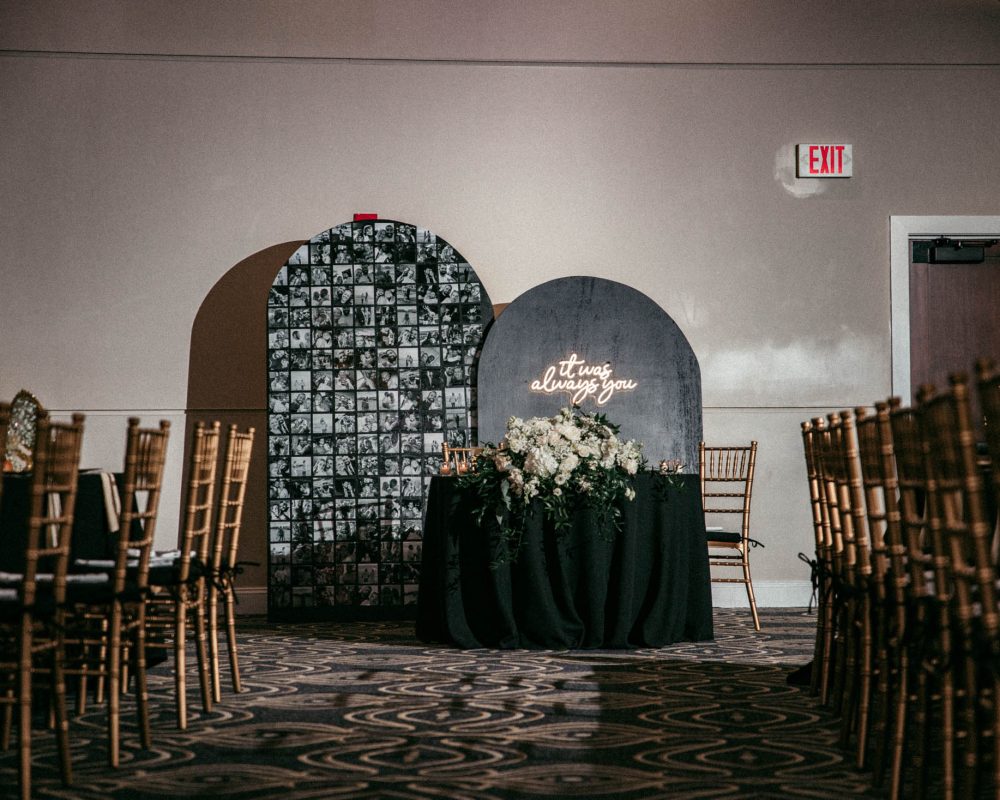
Head tables are becoming more intentional. Instead of blending into the room, the head table becomes a focal moment with strong lighting, clean signage, and a curated floral install.
This trend works in both classic and modern weddings. The difference is finish. Classic uses warmth and fullness. Modern uses clean lines and negative space.
Zoned layouts with multiple “moments”
Couples want guests to move. A lounge corner, a photo corner, a dessert moment, and a dance zone all create a richer experience. This reduces crowding because guests spread out naturally.
In large celebrations, zoning also improves comfort. Guests who want conversation have a place to sit away from speakers. Guests who want energy have a clear dance area.
Dining-forward layouts
Dining is becoming a centerpiece of the experience. Layouts support this by keeping food flow smooth and making table spacing feel comfortable rather than packed. Couples are also placing dessert and coffee in a distinct area so the dining space stays clean.
Best digital tools for planning wedding layouts
Digital planning tools help you test layouts before you commit. They let you check table counts, aisle widths, and how guest flow might work around bars and food stations.
Here are digital tools couples and planners use often:
AllSeated helps you build 2D and 3D floor plans, place tables, and visualize sightlines. Social Tables, now part of Cvent Event Diagramming, works well for more complex event layouts and corporate planning workflows. Planning Pod offers floor plan tools plus a wider planning suite, which can help if you want one system for layouts, seating, and vendor tracking. Canva can also help for a simple visual mockup when you want to share a plan with family, even though it is not a dedicated floor plan tool.
When you use any tool, apply one rule. Keep aisles wider than you think you need. Guests pull chairs out. Servers carry trays. People stop to talk in the middle of walk paths. A wide aisle is never wasted.
Layout details that improve guest comfort at large celebrations
Bar placement
The bar creates lines. Place it where lines will not cut through the room. If you have one bar, make sure guests can approach from both sides. If you can support two service points, you reduce waits and improve energy.
Food placement
Buffets and stations should sit on a wall, not in the middle of traffic. Place plates and napkins at both ends of a buffet so lines move faster. If you have multiple stations, spread them out so guests distribute naturally.
Restroom access
Do not seat older guests far from restrooms. Keep at least one clear path from the main seating area to restrooms that does not cross the dance floor edge or cut through the DJ zone.
Photo areas
Photo backdrops work best away from food and away from entrances. Guests line up for photos. You want that line to form in a low traffic area.
How to match your layout to the venue
Your venue sets the real boundaries. Wall locations, columns, doors, and built-in features all affect table placement. Ask the venue for sample floor plans at your guest count. Then adapt your preferred layout style to what fits comfortably, not what fits tightly.
If you are planning a smaller celebration and want a room that still supports a polished layout, explore the MGL Room for smaller weddings and private celebrations. A smaller room often benefits from fewer table shapes and more focus on clear walk paths.
Final layout checks before you lock the floor plan
Walk the path a guest will take. Entry to seat. Seat to bar. Bar to restroom. Restroom back to seat. Seat to dance floor. If any route crosses a line or squeezes between chairs, fix it now.
Then check sightlines. Guests should see the couple during key moments. Speakers should stand where guests can see them without turning awkwardly. If you plan a slideshow or video, make sure screens are visible from most seats.
Finally, check service lanes. Staff needs clean paths for dinner service and plate clearing. A layout that blocks service will feel slow, even with great food.