
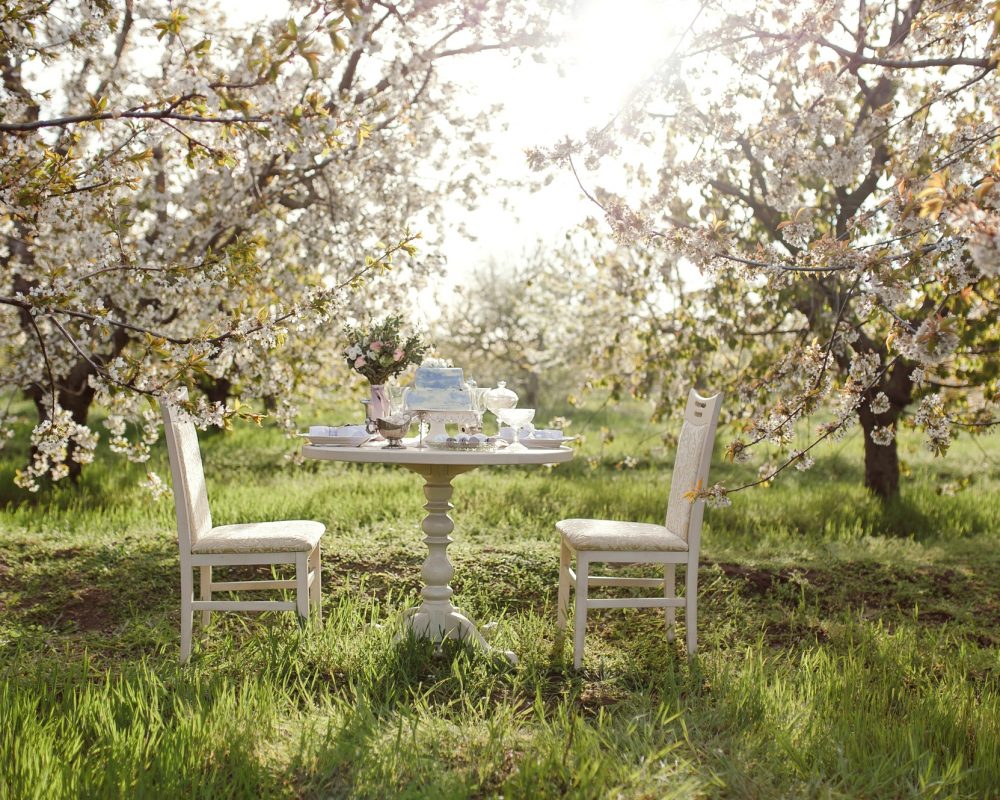
Spring color feels fresh for a reason. It photographs well in natural light, it pairs easily with seasonal florals, and it signals a new season without heavy décor. The right palette also reduces planning stress. Once you choose a clear color direction, decisions on linens, florals, signage, and lighting become faster and more consistent.
This guide covers fresh spring wedding color trends, ideas for light and airy spring wedding palettes, and the best fresh spring color palettes for wedding invitations. It also shows how to apply one palette across weddings, showers, and formal events so the room feels polished, not busy.
Fresh spring wedding color trends
Spring palettes evolve each year, yet certain directions keep showing up because they look modern and timeless at the same time. For a solid starting point and examples of popular spring pairings, read spring wedding color palette ideas from Brides. Use it to identify tones you already like, then narrow to a palette you can repeat across your full event design.
One trend that continues to grow is softened pastels anchored by a warm neutral. Misty blue paired with ivory. Dusty lilac paired with sand. Soft blush paired with cream. These palettes stay airy while avoiding a candy look.
Another trend is botanical greens with clean whites. Sage, olive, and eucalyptus tones create a natural base. White keeps it bright. A small metallic accent, such as champagne or brushed gold, adds warmth without changing the palette.
A third trend is quiet luxury neutrals. Cream, oat, taupe, and warm gray feel elevated because texture carries the design. Linen, matte ceramic, ribbed glass, and warm candlelight create depth without adding more colors.
A final trend worth noting is citrus toned accents used sparingly. Pale lemon, soft tangerine, and grapefruit look fresh in spring, especially when they appear in one or two places, such as napkins, ribbons, or drink garnishes.
In a ballroom setting, color reads across a larger surface area, walls, linens, and lighting. That means small choices scale up. If you want to visualize how your palette might sit in a ballroom layout and where color will show up most, review Heroes Ballroom features for weddings and formal celebrations.
Ideas for light and airy spring wedding palettes
Light and airy palettes work because they give the room breathing space. They rely on one neutral anchor, one soft tone, and one accent. This structure keeps photos clean and prevents the “too many colors” problem.
Ivory, sage, champagne
Ivory keeps photos bright. Sage reads seasonal and natural. Champagne adds warmth. Use sage in greenery and small floral accents. Use champagne through glassware, candleholders, or stationery details.
Soft blue, white, sand
This palette feels calm and refined. It works well for daytime ceremonies and ballroom receptions. Use soft blue in napkins, bridesmaid looks, or small floral accents. Use sand through linens, menus, and table textures.
Blush, cream, olive
Blush stays romantic when it remains muted. Cream keeps it classic. Olive grounds it and prevents the palette from feeling sweet. This combination works well for showers and spring weddings with garden inspired florals.
Misty lavender, ivory, warm gray
Lavender looks fresh when it stays soft. Ivory keeps it light. Warm gray adds polish. This palette also fits formal dinners and showers because it feels elegant without relying on bright color.
When you build a light palette, plan lighting early. Warm white uplighting and candle clusters prevent an airy palette from looking washed out once daylight fades.
Best fresh spring color palettes for wedding invitations
Invitation palettes should feel connected to the wedding, yet not identical. The invitation sets tone. The room brings the full color story to life. For a polished look, use one dominant base color, one ink color, and one accent.
Classic invitation palettes
Ivory paper with black ink stays timeless. Add a sage envelope liner, a champagne wax seal, or a soft floral motif in the corner. This works across most spring weddings and looks clean in photos.
Modern invitation palettes
Bright white paper with charcoal ink feels crisp. Add one accent, dusty blue, muted lavender, or pale lemon. Keep typography clean and spacing generous so the invitation feels edited and modern.
Shower invitation palettes
Showers often look best with softer tones. Use cream paper with warm gray ink, then add a gentle accent like blush or sage. Keep the design minimal, a small bow icon, a simple floral line drawing, or a clean border.
A simple invitation rule helps. Match your invitation accent to a repeatable décor element you already plan to use, napkins, ribbon, place cards, or a small floral tint. This creates continuity without forcing every item to match a single exact shade.
How to apply one palette across weddings, showers, and formal events
A cohesive palette is less about perfection and more about repetition. Choose a base. Repeat it through large surfaces. Then echo your accent in a few controlled places.
Weddings
Let linens and florals carry the palette. Use the accent color in napkins or candleholders. Keep signage neutral so photos stay timeless and your palette does not feel busy.
Showers
Showers look best with a lighter touch. Choose one focal area, often a photo corner or dessert table, then repeat the palette at tables through napkins and bud vases. Keep table surfaces clean so guests have space for drinks and conversation.
Formal events
Formal events often benefit from deeper neutrals and cleaner contrast. You can still bring spring into the room through florals and greenery rather than bright color. This keeps the event polished while still seasonal.
For smaller gatherings where guests sit close and the room feels intimate, subtle palettes often look best. A private room option helps keep the palette cohesive without needing a large volume of décor. Consider the MGL Room for showers and smaller formal events as a setting where light palettes and warm lighting read clean and photo friendly.
How to keep spring palettes from looking busy
Spring palettes fail when too many colors compete. The solution is structure and restraint.
Start with one neutral anchor. Then choose one main tone and one accent. If you want more depth, add it through texture and finish rather than a new color. Linen, matte ceramics, ribbed glass, and soft metallics add richness without adding visual noise.
Choose one metal finish as your primary. If you add a second, make sure it is subtle and consistent. Mixed metals can look modern, yet they can also look random if the ratios feel unclear.
Finally, test your palette in two lighting conditions. Take a phone photo in daylight and under warm indoor light. If the colors shift too far, adjust your accent tone before you commit.
Final checks before you lock your spring color scheme
Your palette should look good in daylight and warm indoor lighting. Your accent color should appear in at least three places you already plan to use. Your neutrals should anchor the room so florals and details feel intentional. If you meet these checks, the palette will read clean in photos and feel cohesive in person.