
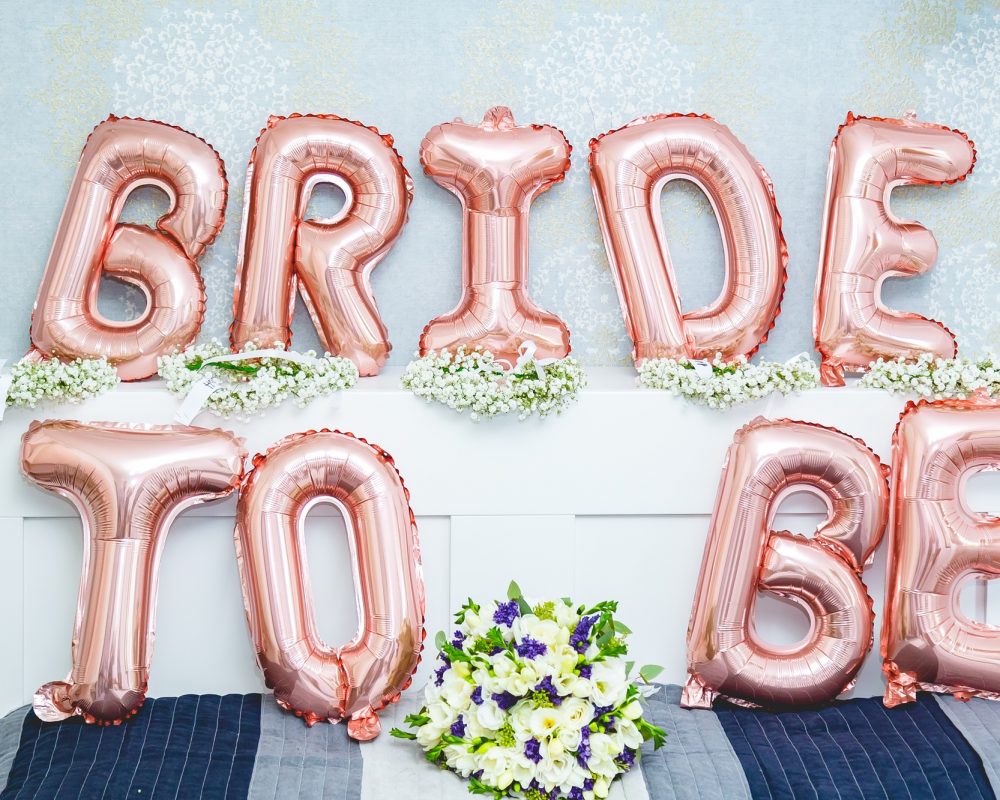
A bridal shower feels simple on paper. Pick a date, pick a menu, invite the guest list, show the bride love. The venue choice shapes every step after. Guests notice space, sound, comfort, and service in the first ten minutes. Those details decide whether the room feels relaxed or cramped.
This guide compares a ballroom versus a restaurant for a bridal shower. You will learn what each option delivers for guest experience, photos, food flow, and hosting effort. You will also get a clear way to choose the right fit for your group.
Bridal shower venue vs restaurant: what guests feel first
Guests form an opinion before the first toast. Arrival sets the tone. Parking, entry flow, coat drop, and the first view of the room all matter. A venue with space to breathe lowers stress. A venue with crowd noise raises stress.
Start the comparison with four guest signals.
- Noise level: guests hear each other, or guests lean in and repeat sentences.
- Seating comfort: guests sit with elbow room, or guests squeeze around a tight table.
- Service rhythm: drinks arrive on time, or guests wave for attention.
- Personal space: gifts and decor fit, or bags and boxes pile up.
Ballrooms and restaurants each win on different signals. The best choice depends on guest count, age mix, and the kind of time you want guests to have.
Ballroom bridal shower: space, privacy, and calm conversation
A ballroom gives the group a dedicated room. Guests hear each other. The bride moves from table to table without blocking a server path. Hosts control layout, music volume, and pace. Those benefits matter most when the shower includes older relatives, parents with strollers, or a larger guest list.
A ballroom also solves common shower pain points.
- Gift handling: a ballroom supports a clear gift zone, away from dining tables.
- Group photos: a ballroom supports a clean backdrop and full group photos.
- Games and moments: a ballroom supports light activities without disturbing other diners.
- Weather gear: a ballroom supports coat space and a smoother arrival flow.
For a larger bridal shower, review Heroes Ballroom room features and ballroom amenities for celebrations. The room description highlights a large dance floor, stage area, and design elements supporting a formal or relaxed shower look.
Ballroom layouts fit more than one shower style
Some showers feel like a brunch with conversation. Some showers feel like a lunch with speeches. Some showers feel like a cocktail social with stations. A ballroom supports each style because the host decides the room map. A restaurant sets the map for you.
Common ballroom layouts for showers include:
- Round tables with a central open area for mingling and photos.
- Long family table plus small rounds for mixed groups.
- Brunch buffet along one wall with lounge seating near the center.
Restaurant bridal shower: built in vibe and easy dining
A restaurant delivers a ready made atmosphere. The decor already looks finished. The kitchen runs service on repeat. Hosts avoid rentals, staffing questions, and many setup tasks.
A restaurant works best for smaller guest counts and guest lists with a similar age range. Guests arrive, sit, order, eat, and talk. The pace feels familiar. Some groups prefer this simple structure.
Restaurant showers offer clear strengths.
- Menu confidence: the kitchen runs a daily system.
- Cozy feel: smaller spaces feel intimate for a close friend group.
- Lower decor load: the room already has style.
Restaurant showers also bring tradeoffs. Noise rises during peak dining hours. Servers split attention across multiple tables. Seating plans often limit movement, which makes mingling harder for a guest list with family circles from different places.
Bridal shower venue vs restaurant: guest experience through the full event
Guest experience changes across three phases: arrival, meal, and closing moments. Compare ballrooms and restaurants across each phase.
Arrival phase
Ballroom: guests enter a dedicated space. The host sets a welcome table, a coat area, and a drink station. The room feels like a private gathering.
Restaurant: guests enter a public space first. Guests wait near the host stand. Early arrivals often sit at the table without the full group, which splits conversation.
Meal phase
Ballroom: the host selects plated, buffet, or family style service. The host controls pacing for speeches and gift moments. Guests stay on one shared rhythm.
Restaurant: the kitchen controls pacing. Guests order at different times. Plates arrive on different schedules. Group moments feel harder to coordinate.
Closing phase
Ballroom: the room supports a final toast, a dessert moment, and a last group photo. Guests leave together.
Restaurant: checks arrive on different schedules. Guests often leave in waves. The end feels less unified.
Ballroom bridal shower: food flow and service style options
Food shapes the mood. A shower menu needs comfort and easy eating. Guests hold drinks, hug friends, and shift seats. A ballroom supports flexible service styles matching the group.
Three service styles fit showers well.
- Plated lunch: best for a formal feel and a clear pace.
- Buffet: best for variety and guests with different appetites.
- Stations: best for a social feel with movement.
Ballrooms often support dessert tables, coffee service, and a separate drink zone. Those details keep the dining area less crowded. Guests also find food faster, which helps older guests and pregnant guests.
Restaurant bridal shower: food strengths and common friction points
Restaurants shine on one core promise. Guests get food from a working kitchen with steady quality. For a small shower, a prix fixe menu reduces choices and speeds service.
Restaurants struggle when the group needs special timing. A speech, a gift opening, or a surprise video requires a pause in service. Servers aim for smooth table turns, which pushes the group back toward a standard dining rhythm.
Another friction point shows up with dietary needs. Restaurants manage allergies daily, yet group ordering still takes time. A ballroom with a preset menu reduces the ordering phase and keeps guests on one pace.
Ballroom bridal shower decor: design freedom without crowd stress
Ballrooms support design choices because the room belongs to the event for the time block. The host places a backdrop, sets a cake table, and adds florals without worrying about a neighboring table.
Ballroom design also fits a wide range of themes. Soft garden florals, clean modern neutrals, or classic white and gold all work. For ballroom styling ideas, see ballroom decor ideas focused on lighting, draping, and elevated details. Many of the same styling ideas translate well to a bridal shower, especially when the shower uses one focal wall for photos.
Design wins from a ballroom show up in photos.
- Backdrops stay clean because the host controls the wall area.
- Tables look consistent because the host controls linens and settings.
- Lighting stays steady because the host controls room light.
Restaurant bridal shower decor: less control, fewer decisions
Restaurants reduce decor work. A host often needs only florals and small table pieces. This works well for a low decor group and a small guest list.
Restaurants also limit decor scale. Many restaurants restrict balloons, hanging items, or large backdrops. Table size also limits centerpieces and signage. A host needs to plan for a smaller footprint.
Photos in a restaurant often include background movement. Staff passes behind the table. Other diners sit nearby. A private dining room improves this, yet many private rooms still sit next to active service paths.
Bridal shower venue vs restaurant: privacy, sound, and conversation
A bridal shower relies on conversation. Guests meet family members for the first time. Friends share stories across life chapters. The bride hears advice from older relatives. Sound control matters.
Ballrooms support a quieter sound field because the group fills the space. The host sets music volume. A microphone option supports a toast for larger groups. Guests hear speeches without strain.
Restaurants carry a different sound profile. Clinking plates, kitchen noise, and other tables add layers. Guests speak louder. Older guests tire faster. A private room helps, yet sound still travels through shared walls and hallways.
Ballroom bridal shower: room choices for different guest counts
Guest count shapes the best venue style. Many bridal showers land between 25 and 60 guests. Restaurants often handle groups on the lower end of this range, especially with a private room. Ballrooms handle larger lists with more comfort.
Some ballrooms also offer smaller event rooms for showers. A smaller room preserves the private feel without paying for a large hall. For an intimate shower with room for gifts, photos, and a buffet line, review the MGL Room option suited for bridal showers and smaller celebrations.
A smaller ballroom style room supports:
- One long table for family plus smaller rounds for friends.
- A gift zone away from dining seats.
- A photo wall near a clean backdrop.
Bridal shower venue vs restaurant: planning basics and host workload
Venue choice also changes host workload. A restaurant reduces setup tasks. A ballroom offers more control, yet also adds more decisions. The right choice depends on the hosting team.
Martha Stewart outlines core planning basics for bridal showers, including guest list clarity, theme decisions, and comfort for guests. See bridal shower planning basics focused on etiquette, budgeting, and guest comfort for a strong checklist of what hosts need to cover.
Use venue choice to reduce workload in the area where the host team feels stress.
- If the host team wants fewer decisions, a restaurant often fits.
- If the host team wants more control over flow, a ballroom often fits.
Bridal shower venue vs restaurant: the photo factor
Bridal shower photos live in group chats for years. Photos also show the mood of the room. Ballrooms give cleaner lines and a controlled background. Restaurants give charm and detail, yet often add background activity.
When photos matter, focus on three factors.
- Wall space: a blank wall supports a clean photo corner.
- Light: soft light flatters faces and keeps photos consistent.
- Movement: fewer strangers in the background keeps focus on the bride.
Ballrooms score high because hosts control those factors. Restaurants score high when the group books a private room with strong windows and a quiet corner for photos.
Bridal shower venue vs restaurant: gift opening comfort
Some brides open gifts during the shower. Some brides skip gift opening and open gifts later at home. If gift opening happens during the shower, venue choice matters.
Ballrooms support gift opening because space exists for a chair, a gift pile, and a clear view for guests. Restaurants often force the bride to open gifts at the dining table, which crowds food space and limits sight lines.
If the guest list includes older relatives who want to watch gift opening, a ballroom style room supports sight lines and comfort. A restaurant works best when gift opening stays short or stays off site.
Ballroom bridal shower: service details improving guest comfort
Small service details shape guest comfort. Ballrooms often support a dedicated server team for the room. A host also controls timing for coffee, dessert, and final toasts.
Ballroom hosting also supports a clear start and end. Guests arrive, settle, eat, celebrate, and leave together. Many groups prefer a shared arc. The shower feels like one event rather than separate tables at different stages.
Restaurant bridal shower: when a restaurant wins
A restaurant wins when the group wants minimal planning and a short event window. A restaurant also wins when the guest list stays small and the group values a strong culinary identity over a designed space.
Restaurant showers work well for:
- Guest lists under 25, especially close friends only.
- Brunch showers with a simple menu and light decor.
- Groups who prefer a casual vibe and a familiar dining rhythm.
Restaurant showers struggle when the group needs privacy, speeches, or space for gifts. Private dining rooms reduce those issues, yet private rooms still vary in sound control and service paths.
Bridal shower venue vs restaurant: quick decision guide
Choose a ballroom bridal shower when these points match your group
- Guest list sits above 30 and includes multiple family circles.
- Older relatives need comfort and sound clarity.
- Guests want to mingle, take photos, and move around.
- The host team wants control over flow and timing.
Choose a restaurant bridal shower when these points match your group
- Guest list stays small and most guests know each other.
- The group wants a short meal focused event.
- The host team wants fewer decor decisions.
- The bride prefers a low key setting with limited formal moments.
Ballroom vs. restaurant for a bridal shower: the best choice matches guest experience goals
Ballrooms and restaurants both work for bridal showers. Each venue type shapes guest comfort in a different way. A ballroom supports privacy, space, and a shared event rhythm. A restaurant supports ease, built in atmosphere, and a familiar dining flow.
Start with guest experience goals. Decide how much privacy the group needs, how much space the group needs, and how much control the host team wants. Use those answers to choose a venue type with fewer tradeoffs for your guest list.