
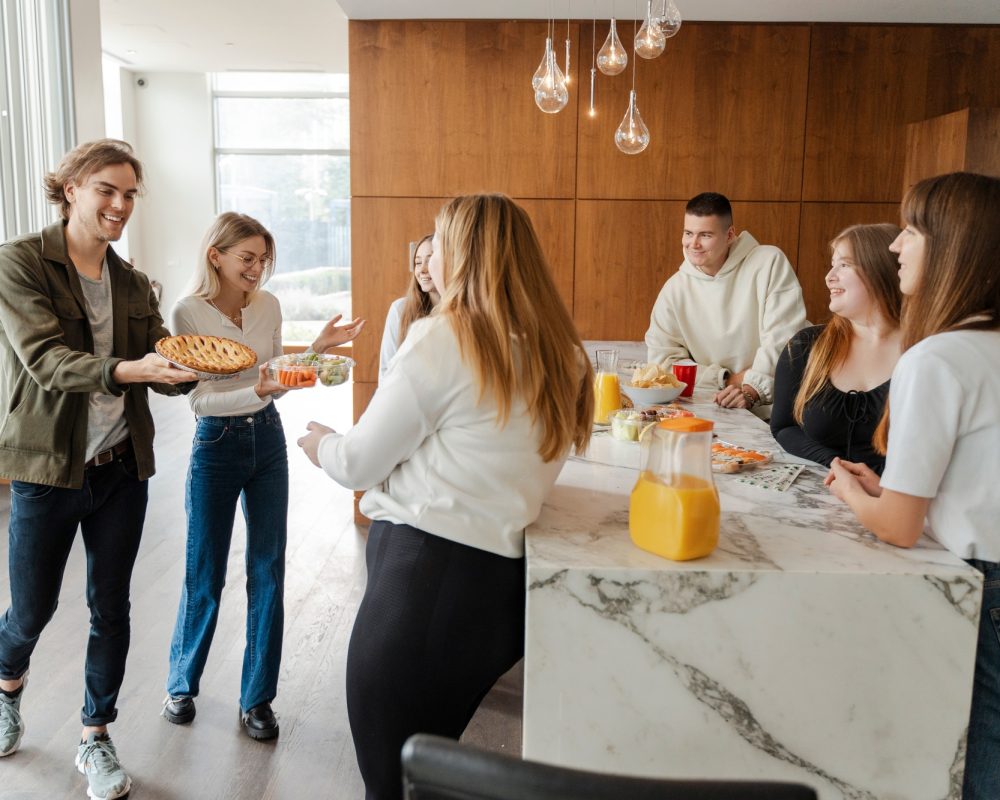
Spring is a smart season for corporate events. Teams feel ready to reconnect after winter routines. Calendars often open up between Q1 deadlines and summer vacations. The weather encourages people to show up, yet indoor venues still feel comfortable and reliable.
Corporate spring events work best when they have one clear purpose. Recognition. Connection. Momentum. A great team dinner can strengthen culture faster than a long meeting because people remember how a company makes them feel. Awards and celebrations create shared pride when they are specific, well paced, and easy for guests to enjoy.
This guide explains what are team dinners, offers practical team dinners ideas, and shares team dinner invitation guidance you can use right away. It also covers how to plan room flow, awards moments, and a celebration format that feels polished from start to finish.
What are team dinners and why do they work
What are team dinners. Team dinners are organized gatherings where employees share a meal in a setting designed for connection. Some team dinners celebrate performance. Some welcome new hires. Some support cross department collaboration. Some serve as a kickoff for a new season of work.
The reason team dinners work is simple. Food lowers barriers. Conversation becomes easier. People learn small details about each other that improve daily collaboration. When leaders show up, listen, and recognize specific wins, the event builds trust in a way email never will.
In spring, team dinners feel even stronger because they act as a reset. After Q1 pushes, a dinner tells people the company noticed the effort and wants to invest in the team.
Why spring is an ideal window for corporate dinners and awards
Spring events succeed because timing supports attendance and energy. Many organizations face heavy planning in January and February. By March and April, teams often have clearer visibility into goals and performance. Recognition feels earned and current.
Spring also supports a lighter mood. People feel less drained by weather. Photos look brighter. If you include a social segment after dinner, guests often stay longer in spring than they do in mid winter.
From a logistics standpoint, spring often offers more venue options than the late fall rush. That flexibility helps you pick a date and time that work for the widest group, including leaders, shift workers, and remote teammates traveling in.
Choosing the right venue for corporate spring events
Venue choice shapes everything. Sound clarity for speeches. Space for mingling. Flow for dinner service. Comfort for mixed age groups. A ballroom style venue works well for corporate spring events because you get a private room, flexible layouts, and staff used to managing groups.
If you are planning a larger team dinner or awards night with a formal seating plan, review Heroes Ballroom event space features for large celebrations and corporate dinners. A larger room supports clean sightlines to speakers and smoother service lanes for plated meals or buffets.
If your event is smaller or you want a more intimate dinner feel with a private room setup, explore the MGL Room option for smaller corporate gatherings and team dinners. A smaller space can feel more connected, which helps conversation and recognition land better.
Team dinners ideas that fit spring energy
Team dinners ideas work best when they match your purpose. A high performance recognition dinner needs a different feel than a welcome dinner for new hires. Keep the format aligned with your goal and your company culture.
Recognition dinner with a short awards segment
This is the most common format for spring. Guests arrive, mingle, eat, then move into a brief awards segment. The key is pacing. People want recognition, yet they do not want a long program. Keep awards specific and keep the segment tight so energy stays high.
Department celebration with a themed experience
A theme gives the night structure and helps guests talk to people outside their usual group. Themes also help with décor and music choices without requiring heavy production.
If you want theme inspiration designed for corporate events, use corporate event theme ideas that work for teams and client groups to find a direction that fits your audience. Choose one theme and carry it through lightly, signage, menu naming, or a photo corner works better than props everywhere.
Team milestone dinner with story based recognition
This format focuses on the year’s progress. Instead of many awards, leaders share three to five short stories about moments where the team overcame challenges or delivered results. Story based recognition feels more human than a list of metrics. It also includes more people because teams remember shared effort.
Cross team mixer with structured seating rotations
If your goal is connection across departments, plan seating that mixes groups. Keep the rotation light. One seating shift after a course or after dessert can be enough. The goal is new conversations, not constant movement.
Team dinner invitation guidance that improves attendance
A team dinner invitation sets expectations. It should answer the questions people ask in their heads. Why are we gathering. What is the vibe. What do I wear. How long will it last. When do I need to arrive.
What to include in a team dinner invitation
Include the purpose in one sentence. Celebrate Q1 wins, welcome new teammates, recognize project completion, or thank the team for a strong quarter. Then include date, start time, end time, location, dress guidance, and whether spouses or partners are invited.
Clarity reduces no shows. People skip events when they feel uncertain about expectations. A confident invitation makes it easier to commit.
Subject lines that get opened
Subject lines work best when they combine purpose and simplicity. “Spring Team Dinner and Awards Night” is clear. “Celebrating Our Q1 Wins” is clear. Avoid vague wording that sounds optional when you want strong attendance.
Timing and reminders
Send the first invite early enough for people to plan around it. Then send one reminder closer to the event with parking notes and arrival timing. Too many reminders create noise. One clean reminder usually does the job.
How to run awards without losing the room
Awards can either lift the night or slow it down. The difference is structure. Keep awards short, specific, and balanced.
Choose awards that reinforce culture
Awards should reflect what your company values. Collaboration, customer care, creativity, leadership, improvement. When awards match values, people understand what behavior gets rewarded.
Keep the script tight and specific
Specific recognition lands. Name the project, the challenge, and the impact. Keep each recognition moment short enough that the room stays engaged.
Stage the awards area for visibility
Place speakers where most guests can see them without turning awkwardly. Use a microphone when guest count grows. Good sound and sightlines matter more than décor because the awards moment is about attention.
Team celebration ideas that add energy without forcing participation
Some teams love games. Some teams prefer conversation. A corporate spring event should respect both. The safest approach is to add one optional activity that sparks connection, then let the rest of the night stay social.
If you want ideas that fit different team personalities, review team celebration ideas that support connection and morale. Choose one concept and keep it simple, a photo corner prompt, a gratitude card station, or a quick recognition wall can work without creating a full program.
Optional activities work best when they live on the side of the room, not in the center of the event. Guests participate when they want to, and conversation stays primary.
Food and pacing for corporate spring events
Food pacing shapes mood. If guests wait too long, energy drops. If service feels rushed, conversation suffers. The best plan aligns service style with the event goal.
Plated dinners support a formal tone and a clean awards moment because timing is predictable. Buffets can work well for larger groups when the line is managed and the layout protects walkways. Stations support a social mixer feel when placed in separate areas to reduce crowding.
Spring menus often feel best when they balance comfort and freshness. Guests want satisfying food, yet they also appreciate lighter seasonal options.
Room layout choices that keep flow smooth
Corporate events feel polished when guests know where to go. Plan the room in zones. Arrival and welcome. Drinks. Dining. Awards focus area. Photo corner. Quiet conversation corner.
Place the bar where lines will not block entryways or restrooms. Place the awards area where guests can see it easily. Keep aisles wide for staff and for guests moving between tables.
When the room supports movement, the event feels easy. When the room forces crowding, even great food cannot fix the mood.
Corporate spring events create momentum when they feel intentional
Corporate spring events work because they arrive at the right time. Teams need connection and recognition after early year goals. A well planned team dinner builds culture through shared experience. Awards reinforce values when they stay specific and short. Celebration moments add energy when they remain optional and guest friendly.
When you choose a space that supports sound, seating, and flow, the night runs smoothly and people leave feeling valued.