
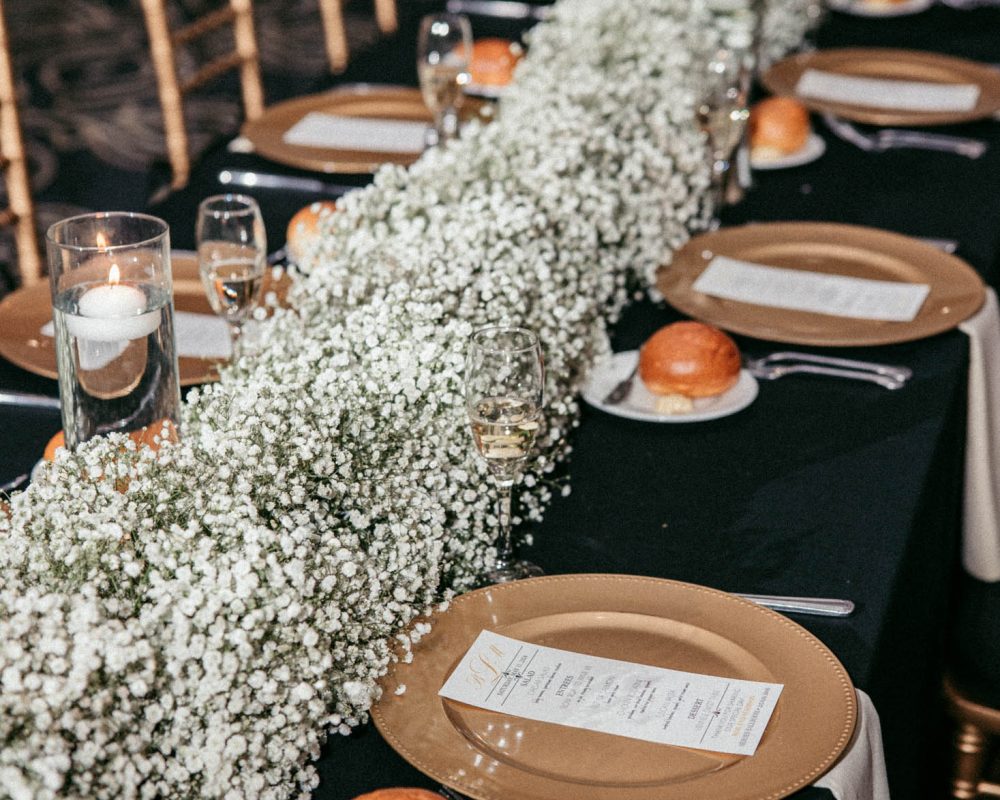
Winter wedding receptions feel different from spring and summer celebrations. Darkness arrives early. Cold air changes arrivals and departures. Guests wear heavier layers, plus shoes built for sidewalks, not garden paths. A strong plan keeps the reception smooth, warm, and photo ready.
You need three plans working together. A reception timeline plan. A lighting plan. A guest comfort plan. When those plans align, you reduce stress for your wedding party, your vendors, and your guests.
Winter wedding reception planning starts with three priorities
Start with clear priorities. Write them down. Share them with your venue team and your key vendors.
- Keep guests comfortable from arrival through departure.
- Keep the room bright enough for faces, photos, and safe walking.
- Keep the reception moving with steady food service and clear transitions.
Winter planning works best when you decide what matters most early. Once you lock priorities, every decision becomes easier, layout, menus, music volume, photo plans, and décor scale.
Winter wedding reception timeline planning without a rigid schedule
You need structure, not a minute by minute script. Winter weather adds delays. Guests run late from traffic, snow, or slow parking. Vendors need extra time for loading in warm gear, protecting florals, and keeping equipment safe.
Build your reception flow around blocks. Each block has a purpose, plus a buffer. Buffers protect guest comfort and vendor timing.
Block 1: Arrival and welcome
Guests enter with coats, scarves, gloves, and bags. Plan a clear landing zone. Give guests a simple path from the door to warmth, drinks, and seating. A crowded entry raises stress fast.
- Create a coat area with space for hangers and bags.
- Keep the first drink station away from the door to prevent a bottleneck.
- Place a welcome sign where guests pause naturally, not where guests block traffic.
Block 2: Cocktail hour and photo time
Winter cocktail hour needs warmth and flow. Guests arrive chilled. Warm bites and warm drinks help. Keep guests moving in a comfortable way, not in a tight line.
- Offer one warm appetizer option early.
- Offer a coffee and tea station if the guest list includes older relatives.
- Plan photo time with lighting in mind, since daylight fades early.
If you plan group photos indoors, reserve a clean wall, plus lighting support. If you plan a couple portrait set outdoors, plan a fast path outside and back inside. Keep outerwear ready, plus a warm spot for hands between shots.
Block 3: Dinner and key moments
Winter receptions feel best when dinner starts on time. Guests come hungry. Late dinners lead to low energy and colder guests, especially when guests sit near exterior doors.
- Choose a service style that matches guest count and room layout.
- Keep speeches short and grouped together.
- Place first dance and parent dances after dinner if guests arrive late, since dinner anchors the room.
Block 4: Open dancing and social time
Once dancing starts, keep the energy steady. Winter guests often stay longer indoors, especially when roads feel uncertain at night. A strong dance floor plan keeps guests engaged without pushing volume too high for conversation areas.
- Set a lounge corner for guests who want conversation.
- Keep water visible and easy to reach.
- Serve late snacks if your timeline includes a long dance block.
Block 5: Send off and departure
Departure planning matters more in winter. Guests step into cold air and dark parking areas. Clear signage and good lighting reduce slips and stress.
- Confirm parking lot lighting and walk paths.
- Stage coats and bags before the final song.
- Keep exits clear, especially near a gift table.
Winter wedding lighting planning for photos and safety
Winter light changes quickly. Late afternoon sun drops fast. Indoor lighting does more work. Your lighting plan needs layers. You want faces visible. You want a warm feel. You want safe walking paths.
A winter wedding overview from Vogue’s do and do not guide for planning a winter wedding highlights how winter choices affect mood, visuals, and the guest experience. Use lighting as part of the mood plan, not an afterthought.
Use three lighting layers
Plan three layers in the reception space.
- Ambient light: general light across the room so guests see faces and pathways.
- Task light: focused light for buffet lines, bars, dessert tables, plus entry areas.
- Accent light: uplights, candles, and spot accents to create depth in photos.
Ask your venue team what lighting exists in house. Ask what lighting control options exist, dimmers, zones, and fixture placement. Then fill gaps with a simple plan.
Keep dinner light warm and clear
Dim dinners look romantic in person. Dim dinners look flat in photos. Guests struggle to read place cards and menus in a dim room. Aim for warm light with enough brightness for faces.
- Use warm bulbs, not harsh white light.
- Use candles as accents, not as the main light source.
- Light the head table and the dance floor with intention.
Plan dance floor lighting without blinding guests
Dance floor lighting drives energy. Too much strobe or harsh beams create discomfort for older guests and guests with sensitivity. Keep effects controlled. Use moving light sparingly. Keep a consistent base light for safety.
- Keep a clear path from tables to the dance floor.
- Light the edge of the dance floor so guests see steps and shoes.
- Place uplights along walls to add depth for photos.
Make the photo area bright enough
Guests take photos all night. Create one photo friendly area with stable light. Avoid backlighting from bright windows at night. Avoid placing the photo area near a service hallway.
- Pick a clean wall or backdrop with simple contrast.
- Add soft light from two sides if possible.
- Keep the area away from buffet traffic.
Guest comfort planning for winter wedding receptions
Guest comfort depends on temperature, seating, food pacing, and movement. Winter adds extra variables. Guests arrive cold. Guests bring wet umbrellas and boots. A few small choices create a large comfort lift.
Temperature and drafts
Ask the venue team about heat zones and draft points. Doors near parking areas bring cold air into the room. Guests seated near entry doors feel cold first.
- Avoid seating older guests near exterior doors.
- Use a vestibule or entry buffer if the venue offers one.
- Place a welcome drink station farther inside the space.
Coats, boots, and floor safety
Winter shoes track in moisture and salt. Wet floors cause slips. Plan floor mats near entry points. Keep rugs taped down. Keep walk paths clear.
- Use an entry mat plan, plus a towel stash for quick cleanups.
- Keep cords taped and covered, especially near the dance floor and DJ area.
- Keep candle clusters away from drapes and high traffic edges.
Seating comfort and movement
Guests wear bulkier outfits in winter. Chairs feel tighter. Give tables more elbow room. Keep aisles wider than a summer plan.
- Space tables so guests pass without bumping chairs.
- Use a lounge corner for guests who need breaks from music.
- Keep restrooms easy to reach from main seating areas.
Warm food, warm drinks, and steady pacing
Food timing affects comfort. Guests feel chilly when long gaps appear between courses. Warm options help guests settle. A winter planning guide from a winter wedding planning guide focused on weather readiness reinforces the value of planning around cold conditions, travel disruptions, and practical contingencies. Apply the same mindset to food and beverage pacing.
- Add one warm appetizer to the cocktail hour mix.
- Offer coffee and tea earlier than usual, not only at dessert.
- Place water stations in more than one location.
Ballroom advantages for winter wedding receptions
Ballrooms often work well for winter receptions because the event stays indoors in a controlled environment. A ballroom layout supports guest flow. A ballroom team supports service rhythm. A ballroom often includes strong lighting infrastructure, plus a dance floor built for celebration.
Review ballroom space features designed for weddings and winter receptions to see how dedicated event features, dance floor space, and room layout flexibility support guest comfort and reception flow.
Ballroom layout tips for winter flow
Use zones to reduce congestion. Keep the entry clear. Keep the food zone efficient. Keep the dance floor open.
- Entry zone: coat area plus a welcome table, set away from main seating.
- Food zone: buffet or service path with room for lines and server movement.
- Social zone: photo area plus lounge seating for conversation.
- Dance zone: clear edges and lighting for safe movement.
Menu planning feels easier with a clear package structure
Winter menus shine with warm starters, hearty mains, and comfort focused late snacks. Use menu structure to keep pacing smooth. Guests stay happier when the room follows a steady rhythm.
Explore wedding menu options and package details for reception planning to understand how a structured menu supports cocktail hour flow, dinner pacing, and dessert service.
Winter wedding reception planning mistakes and fixes
Mistake: Underestimating winter arrival delays
Fix: Build buffers into each reception block. Communicate start expectations to the wedding party and vendors. Keep early arrivals comfortable with drinks and seating.
Mistake: Planning lighting only for mood
Fix: Plan lighting for faces, food, and safety. Add task lighting at bars and buffets. Keep dinner bright enough for photos and reading.
Mistake: Placing key seating near draft points
Fix: Walk the room and identify doors, hallways, and exterior walls. Place older guests and family members away from cold air paths.
Mistake: Creating bottlenecks at the bar and buffet
Fix: Split stations when possible. Place drinks and water in more than one spot. Keep buffet lines wide and clear.
Mistake: Forgetting about floors and footwear
Fix: Use entry mats, keep towels nearby, and confirm cleaning support during peak arrivals. Keep cords covered and taped down.
Final pass for winter wedding reception planning
Run one final walkthrough with your venue team at the same time of day as your reception. Winter light changes fast. A walkthrough at the right time shows real conditions for photos and ambiance.
During the walkthrough, focus on three checks.
- Timeline flow: each block has a purpose, plus a buffer.
- Lighting flow: faces stay visible, walk paths stay safe, photos look consistent.
- Comfort flow: guests stay warm, food stays steady, movement stays easy.
When you plan those three flows with care, your winter wedding reception feels smooth and welcoming. Guests relax. Photos look clean. The night feels like a celebration, not a scramble.