
The moment after an engagement often feels surreal. One day you’re celebrating a proposal—perhaps during the holidays, surrounded by family, lights, and champagne—and the next, you’re waking up to messages asking, “Have you picked a date yet?” The excitement is undeniable, but so is the uncertainty. For many newly engaged couples, the question isn’t whether they’re excited to plan a wedding, but where to begin.
Engagement season, which peaks around the New Year, brings with it a rush of emotion and expectation. It’s tempting to dive straight into details like color palettes or dresses, yet the earliest steps of wedding planning are less about aesthetics and more about alignment. Before timelines and to-do lists take over, couples benefit most from slowing down and approaching planning with intention.
These first steps don’t need to be complicated. In fact, the most successful wedding journeys often start with clarity, communication, and a few foundational decisions that shape everything that follows.
Why the First Steps Matter So Much
Wedding planning has a reputation for being overwhelming, but that stress usually stems from rushing ahead without a clear framework. The early phase of planning sets the tone for the entire process. When couples take time to establish priorities and expectations at the beginning, decisions later on tend to feel easier and more confident.
According to Brides, one of the most important things couples can do immediately after getting engaged is to pause, reflect, and align before making major commitments. This early clarity helps prevent decision fatigue and keeps planning focused on what truly matters to the couple.
Rather than thinking of wedding planning as a race, it’s more helpful to view it as a sequence. Each step builds on the one before it.
Step One: Take a Moment to Celebrate and Reflect
Before discussing venues or guest lists, it’s worth taking time to enjoy the engagement itself. This moment is rare, and it deserves to be experienced without immediately turning into a project.
Celebration doesn’t have to mean a party right away. It can be as simple as spending a quiet evening together talking about what the engagement means to both of you. These conversations often reveal shared values and expectations that will guide planning decisions later.
During this reflection phase, many couples naturally begin discussing what they envision for their wedding. Not specifics, but feelings. Do you imagine something intimate or grand? Formal or relaxed? Traditional or modern? These early impressions become a compass for future choices.
Step Two: Have an Honest Conversation About Priorities
Once the initial excitement settles, one of the most productive early steps is an open conversation about priorities. This isn’t about final decisions, but about understanding what matters most to each partner.
Some couples care deeply about hosting a large gathering, while others prioritize the venue experience or guest comfort. For some, food and entertainment are central; for others, photography or atmosphere takes precedence.
These conversations help prevent conflict later. When both partners understand what the other values most, compromises feel more collaborative and less stressful.
This is also the time to discuss practical considerations like budget comfort levels and timing preferences. While numbers don’t need to be finalized immediately, establishing a general framework early helps guide venue and vendor conversations.
Step Three: Begin Venue Research Early
Of all the wedding planning decisions, the venue is often the most impactful and time-sensitive. The venue determines not only where the wedding takes place, but also influences the date, guest count, layout, and overall tone of the celebration.
Many newly engaged couples are surprised to learn how far in advance venues book, particularly for popular seasons and weekends. Starting venue research early—especially during engagement season—gives couples more options and flexibility.
The Knot emphasizes that getting organized early and tackling major decisions first, such as the venue, helps couples avoid unnecessary pressure later in the planning process.
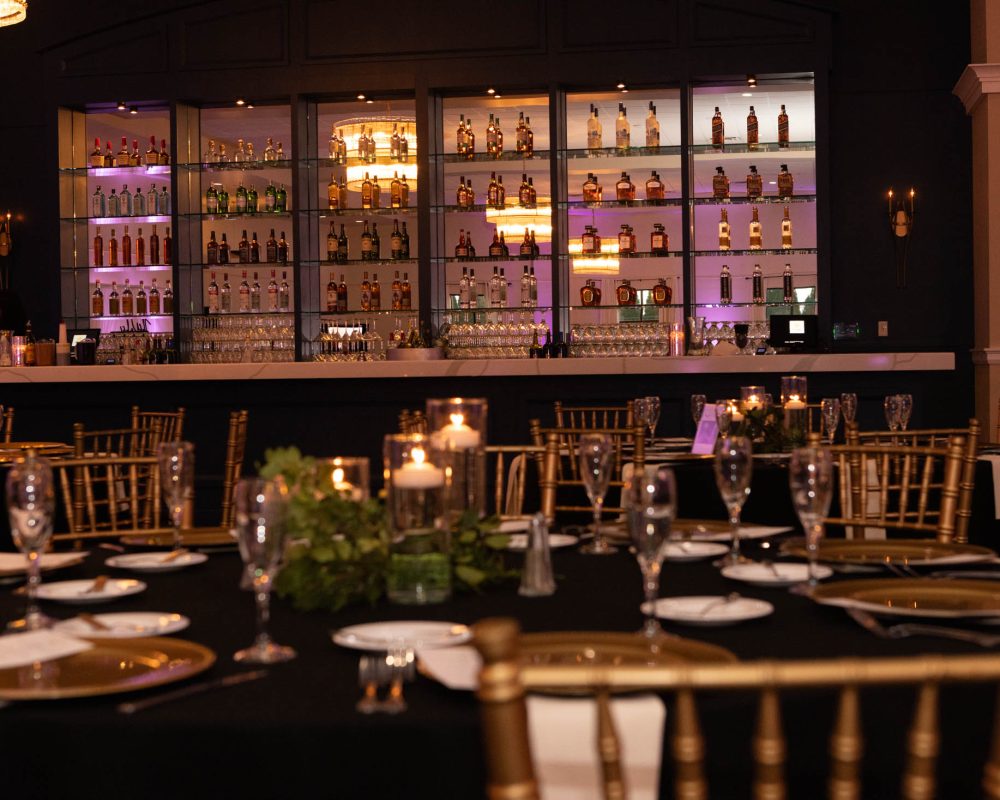
For couples considering a ballroom wedding, early research is especially beneficial. Ballroom venues offer flexibility, elegance, and the ability to host ceremonies and receptions in one place, but popular dates can fill quickly.
At Heroes Ballroom, many couples begin touring shortly after getting engaged, using this time to explore layouts, capacity options, and overall flow while their ideal dates are still available.
Step Four: Start Building a Loose Timeline
A common misconception among newly engaged couples is that they need a detailed timeline immediately. In reality, early planning benefits most from a loose, high-level timeline rather than a rigid schedule.
At this stage, it’s enough to consider:
- Rough wedding season or year
- Ideal engagement length
- Key milestones such as booking the venue or sending save-the-dates
This broader timeline helps couples pace themselves. It also provides context when speaking with venues and vendors, who can offer guidance based on typical planning windows.
Couples who begin planning in the New Year often find that this quieter season allows them to establish a timeline without feeling rushed or reactive.
Step Five: Gather Information, Not Pressure
The final early step in wedding planning is information gathering. This is the phase where couples explore inspiration, talk to recently married friends, and research vendors—without feeling obligated to make immediate decisions.
This approach allows couples to learn the landscape before committing. It also helps them recognize what resonates and what doesn’t.
Social media and wedding websites can be helpful tools, but they’re best used selectively. Instead of trying to absorb everything at once, couples benefit from focusing on ideas that align with their priorities and vision.
At Heroes Ballroom, couples often use early planning conversations as an opportunity to ask questions, explore possibilities, and understand how different choices affect the overall experience.
This kind of exploratory mindset keeps planning grounded and enjoyable.
Why Engagement Season Is the Ideal Time to Begin
The New Year naturally invites fresh starts and thoughtful goal-setting. For newly engaged couples, this makes engagement season an ideal time to begin planning—not with urgency, but with intention.
Vendors tend to have more availability for conversations, couples often have more mental space, and the excitement of the engagement is still fresh. This combination creates a planning environment that feels optimistic rather than stressful.
Starting early doesn’t mean locking in every detail. It means laying a foundation strong enough to support the months ahead.
Avoiding Common Early-Planning Pitfalls
Many couples unintentionally make planning harder by jumping ahead too quickly. Focusing on details like décor or attire before securing a venue can lead to frustration, as those choices are often influenced by the space itself.
Another common pitfall is comparing timelines too closely with others. Every engagement and wedding journey is different. What matters most is finding a pace that works for both partners.
By focusing on alignment, research, and foundational decisions first, couples avoid unnecessary stress and build confidence as they move forward.
Setting the Tone for the Entire Planning Journey
The early stages of wedding planning aren’t about perfection. They’re about direction. Couples who begin with clear communication, realistic expectations, and thoughtful pacing often find that the rest of the process unfolds more smoothly.
A wedding is a reflection of a relationship, and planning it should feel collaborative rather than overwhelming. Engagement season offers a rare opportunity to approach planning with clarity and calm before the calendar fills up.
Getting engaged is a milestone worth savoring. Planning a wedding is a journey worth approaching with care. By focusing on the right first steps—celebration, communication, venue research, timeline awareness, and information gathering—newly engaged couples set themselves up for a planning experience that feels exciting rather than exhausting.
The New Year doesn’t demand immediate answers. It offers space to dream, plan, and begin building a celebration that reflects who you are together. When approached thoughtfully, those first steps don’t just lead to a wedding day—they shape an experience you’ll remember just as fondly as the proposal itself.