
Holiday parties are often the most anticipated events of the year. They mark the close of a busy season, offer a chance to celebrate achievements, and bring people together during a time that already feels special. Whether the event is corporate, social, or family-focused, expectations tend to be higher for holiday gatherings than for events held at other times of year.
Because of this, successful holiday parties require more than festive décor and good food. They demand thoughtful planning, a venue that can handle seasonal challenges, and an environment that makes guests feel comfortable, welcomed, and engaged from the moment they arrive. One of the most effective ways to accomplish this is by hosting your holiday event in a ballroom venue.
Ballrooms are uniquely equipped to handle the scale, structure, and atmosphere that holiday parties require. With the right planning approach, they allow hosts to create unforgettable experiences that feel elegant, stress-free, and memorable for all the right reasons.
Why Holiday Parties Need a Strategic Approach
Holiday events happen during one of the busiest times of the year. Guests are balancing work deadlines, family commitments, travel schedules, and winter weather. A poorly planned event can feel like an obligation rather than a celebration.
Event professionals consistently emphasize that holiday parties succeed when they prioritize experience, not just execution. According to Eventbrite’s holiday event planning guide, the most successful holiday events are those that focus on atmosphere, guest engagement, and thoughtful logistics rather than simply filling a room with people.
This means thinking beyond décor and entertainment. Everything from arrival flow to coat storage to how guests move through the space matters—especially in winter.
The Advantage of Choosing a Ballroom Venue
Selecting the right venue is the single most important decision in holiday party planning. Ballrooms stand out because they are purpose-built for events, not adapted for them.
Key advantages of ballroom venues include:
- Indoor reliability: No concerns about snow, freezing temperatures, or sudden weather changes
- Space and scale: Room for dining, dancing, entertainment, and mingling without crowding
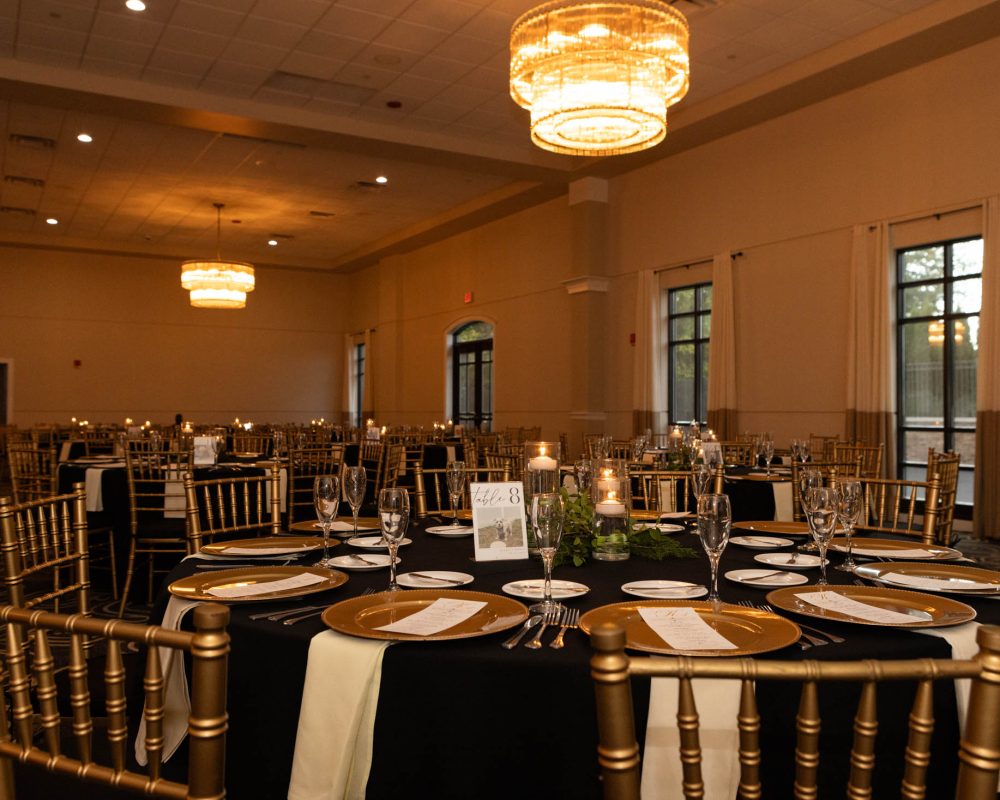
- Architectural elegance: Chandeliers, high ceilings, and polished finishes elevate the event automatically
- Flexible layouts: Ballrooms can accommodate cocktail-style receptions, seated dinners, or hybrid formats
- Professional infrastructure: Built-in catering access, lighting, sound, and staffing support
Unlike restaurants or smaller venues, ballrooms do not require compromises when guest counts grow or layouts become complex. This flexibility is particularly valuable during the holiday season, when attendance may fluctuate and event needs evolve.
Clarifying the Purpose of Your Holiday Event
Before diving into details like menus and décor, it’s essential to define the purpose of your holiday party. The goal of the event should guide every planning decision that follows.
Common holiday party objectives include:
- Celebrating employees or clients
- Recognizing milestones or achievements
- Encouraging networking and connection
- Hosting family and friends for a seasonal gathering
Once the purpose is clear, determining the tone becomes easier. Holiday events often fall into three broad categories:
Formal Celebrations
These events typically involve plated dinners, formal attire, speeches, and a structured timeline. They work well for corporate galas or milestone celebrations.
Festive Social Events
Semi-formal or cocktail-style gatherings encourage mingling, music, and movement. They are ideal for company parties, social clubs, and large family celebrations.
Casual-Elegant Gatherings
These events focus on warmth and atmosphere rather than formality, with lounge seating, buffet-style dining, and relaxed entertainment.
Ballroom venues support all three styles, allowing hosts to tailor the event without being constrained by the space.
Choosing the Right Event Format
Event format plays a major role in how guests experience a holiday party. It influences energy levels, interaction, and overall flow.
Popular holiday party formats include:
Cocktail-Style Receptions
Cocktail-style events feature standing tables, passed hors d’oeuvres, and an emphasis on social interaction. Guests are free to move throughout the space, which encourages networking and conversation.
Seated Dinners
Seated dinners offer structure and formality. Guests are assigned tables, meals are served in courses, and speeches or presentations fit naturally into the timeline.
Hybrid Events
Hybrid formats combine cocktail hour with seated dining or stations. This approach balances movement with structure and works well for longer events.
Paperless Post’s holiday party planning guide highlights that choosing the right format helps set expectations for guests and ensures the event feels cohesive rather than chaotic.
Ballrooms easily accommodate all of these formats, making them ideal for hosts who want flexibility without sacrificing organization.
Designing a Festive Ballroom Atmosphere
Décor transforms a ballroom from a neutral event space into a holiday destination. The scale of a ballroom allows décor to feel impactful rather than cluttered.
Effective holiday décor elements include:
- Twinkling string lights and warm uplighting
- Evergreen garlands, wreaths, and seasonal florals
- Metallic accents in gold, silver, or champagne
- Candle-heavy centerpieces for warmth
- Themed décor elements tied to the season or company culture
Lighting is especially important in winter. Soft, layered lighting creates intimacy and warmth, while chandeliers add elegance and sparkle. Because ballrooms typically have higher ceilings, lighting can be used creatively to define different areas of the event.
The goal is to make guests feel immersed in the holiday spirit without overwhelming them visually.
Planning Layout and Guest Flow
A well-planned holiday party feels intuitive. Guests should understand where to go, where to gather, and how the event progresses without needing constant direction.
Ballroom layouts often include:
- A welcome or reception area
- One or more bar locations
- Dining or food station areas
- A dance floor or entertainment zone
- Lounge seating for quieter conversation
Creating distinct zones helps prevent congestion and allows guests to engage with the event at their own pace. Clear pathways, thoughtful furniture placement, and coordinated lighting all contribute to a seamless flow.
Food and Beverage Planning for Holiday Events
Food and drink are central to any holiday party. Winter menus often lean toward comfort, warmth, and indulgence—qualities guests appreciate during colder months.
Popular holiday food options include:
- Passed appetizers during cocktail hour
- Seasonal buffets with warm dishes
- Plated dinners for formal events
- Dessert tables or late-night snacks
Holiday beverages can elevate the experience without complicating the bar program. Signature cocktails, festive mocktails, and seasonal flavors like cranberry, cinnamon, and citrus add personality while remaining approachable.
Ballroom venues often provide catering flexibility, making it easier to accommodate dietary needs and customize menus for different audiences.
Entertainment That Enhances the Celebration
Entertainment shapes the energy of a holiday party. The right choice keeps guests engaged without overpowering the atmosphere.
Common entertainment options include:
- DJs or live bands
- Background music during dinner
- Interactive elements such as photo booths
- Brief speeches or presentations
Because ballrooms are designed with acoustics and staging in mind, they support entertainment without disrupting conversation or guest comfort.
Managing Winter Logistics with Confidence
Winter weather introduces challenges that must be addressed proactively. Holiday party planning should account for guest arrival, comfort, and safety.
Important logistics to plan for include:
- Coat check and storage for winter attire
- Clear, well-lit entrances and walkways
- Flexible arrival windows in case of travel delays
- Clear communication regarding parking and transportation
Professional ballroom venues are accustomed to winter events and typically provide staff support and guidance to manage these details smoothly.
Why Guests Appreciate Ballroom Holiday Parties
From a guest perspective, ballroom holiday parties often feel more polished and enjoyable than events held in smaller or less formal spaces. Guests appreciate:
- Warm indoor environments
- Spacious layouts that prevent crowding
- Easy navigation between event areas
- Consistent service and amenities
When guests feel comfortable and cared for, they are more likely to relax, socialize, and enjoy the celebration fully.
Bringing It All Together
Hosting a holiday party in a ballroom venue allows you to combine elegance with practicality. With thoughtful planning, the space supports festive décor, smooth logistics, and a guest experience that feels intentional rather than rushed.
By defining the purpose of your event, choosing the right format, designing a welcoming atmosphere, and planning for winter-specific needs, you create a celebration that stands out during the busiest time of the year.
A ballroom venue provides the structure, flexibility, and ambiance needed to turn a holiday party into an experience guests genuinely look forward to—and remember long after the season ends.